

Fire Door Hardware
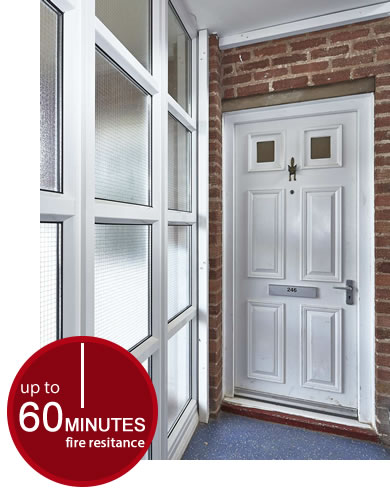
Fire doors have two important functions in a fire; when closed they form a barrier to stop the spread of fire and when opened they provide a means of escape.
A well-designed fire door will delay the spread of fire and smoke without causing too much hindrance to the movement of people and goods. Every fire door is therefore required to act as a barrier to the passage of smoke and/or fire to varying degrees depending upon its location in a building and the fire hazards associated with that building.
The main categories of fire doors are FD30 and FD60 fire doors which offer 30 and 60 minutes fire protection.
Certification testing of fire doors
To determine the FD rating of fire doors, the manufacturers have their fire doors assessed by subjecting them to a test procedure as specified in BS 476-22:1987 or BS EN 1634-1:2014.
Tests are made on complete fire door sets: i.e. the fire door and door frame with all the requisite hardware (e.g. locks, latches, hinges, etc). The door set, as it is also known, is fixed in a wall representing its use in practice.
The test procedure is fully described in the Standard and consists of exposing one face of the door to the heat conditions anticipated in a fire while observing the door for stability and integrity.
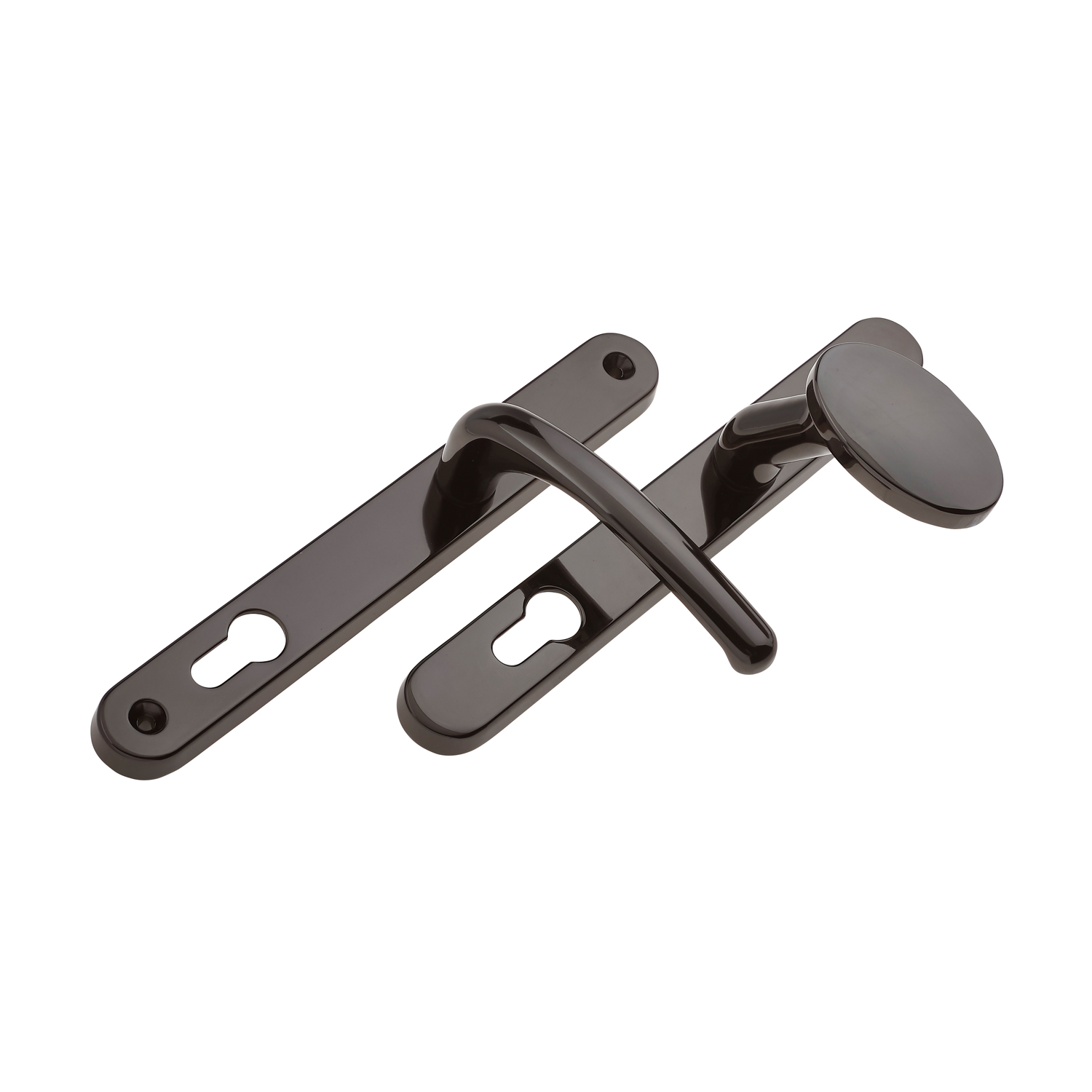
Decorative Hardware
Across the UK construction industry and in Europe, construction products are being tested to new EN Standards to ensure that fire safety and performance requirements are met in future building projects. Door hardware will eventually have 21 new EN Standards. For many ironmongery items you will need to ensure that only marked products are used on all fire doors, smoke control doors and escape doors.
Multi-Point Locks
To provide an effective barrier to a fully developed fire, a door must remain closed within the frame.
In fitting locks or latches to fire-resisting doorsets, the potential fire performance of a doorset can be reduced due to:
- Removal of a section of the door leaf, door frame or seal
- Leaving voids within the structure of a timber door
- Adding materials which could cause heat transfer problems in a timber door
- Through fixings creating thermal bridges in a timber door
- Using materials of low melting point (less than 800ºC, or 900ºC for steel doors over 90 minutes resistance) in components which, if they should melt, could cause a failure of functionality of the device
- Locks containing materials which might flame
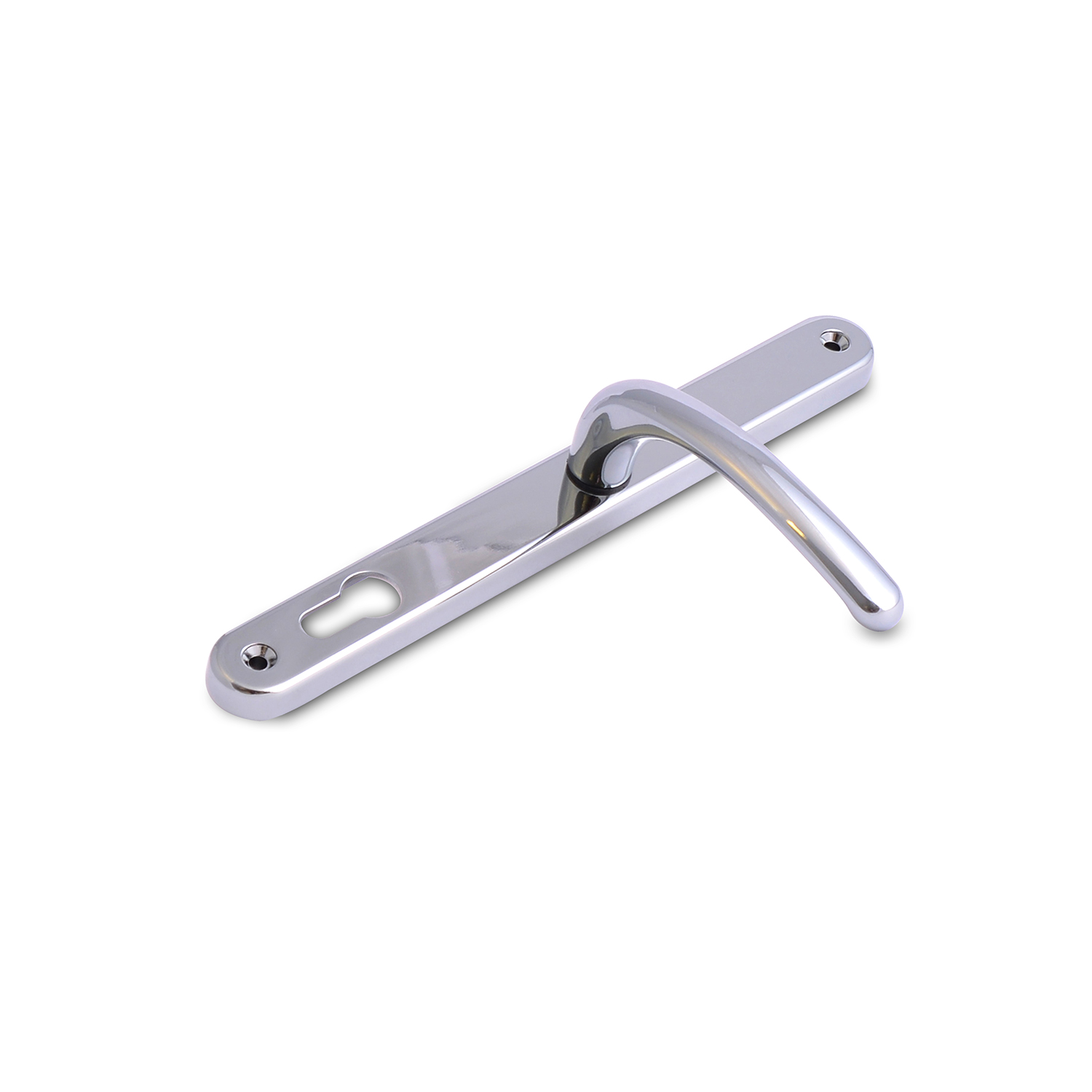
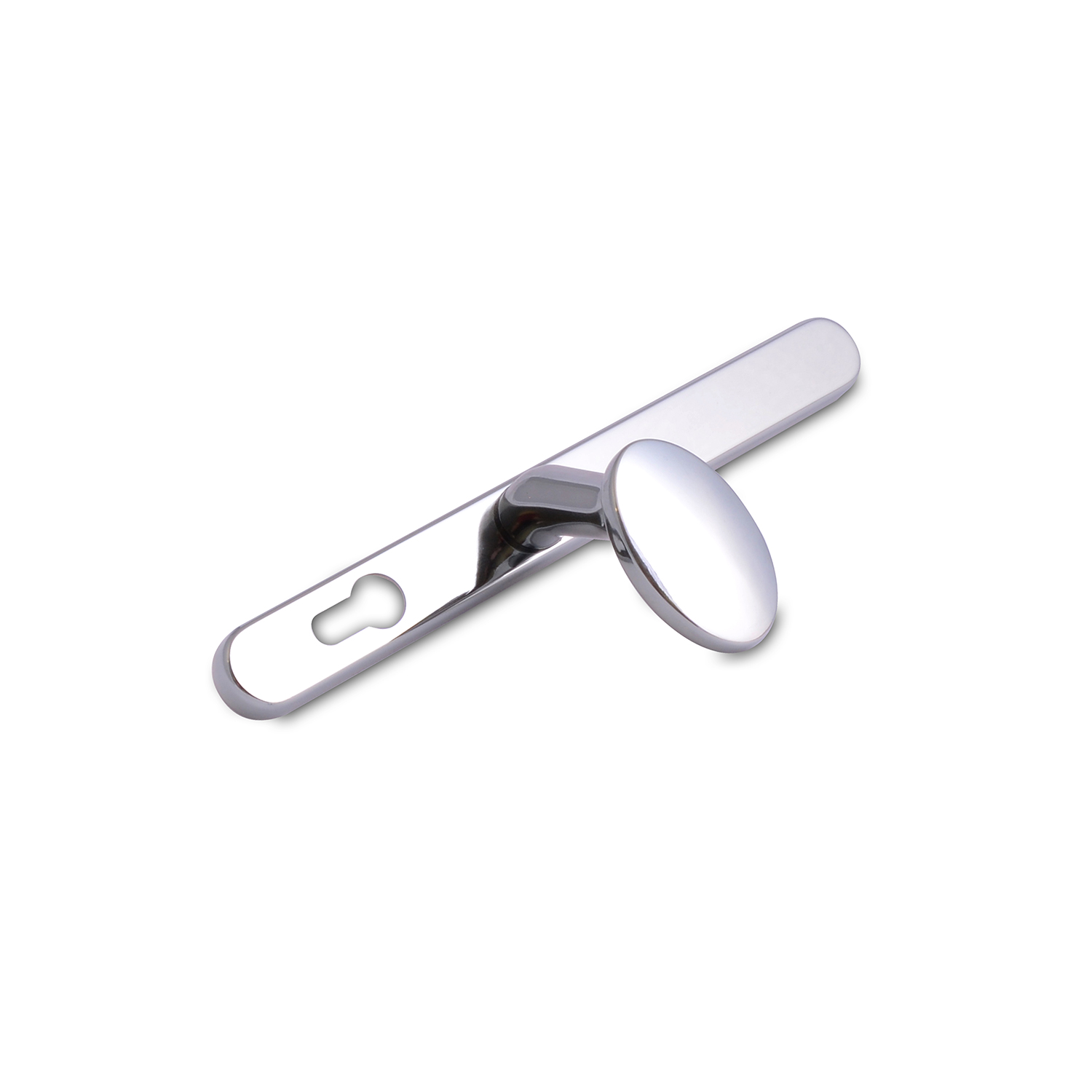
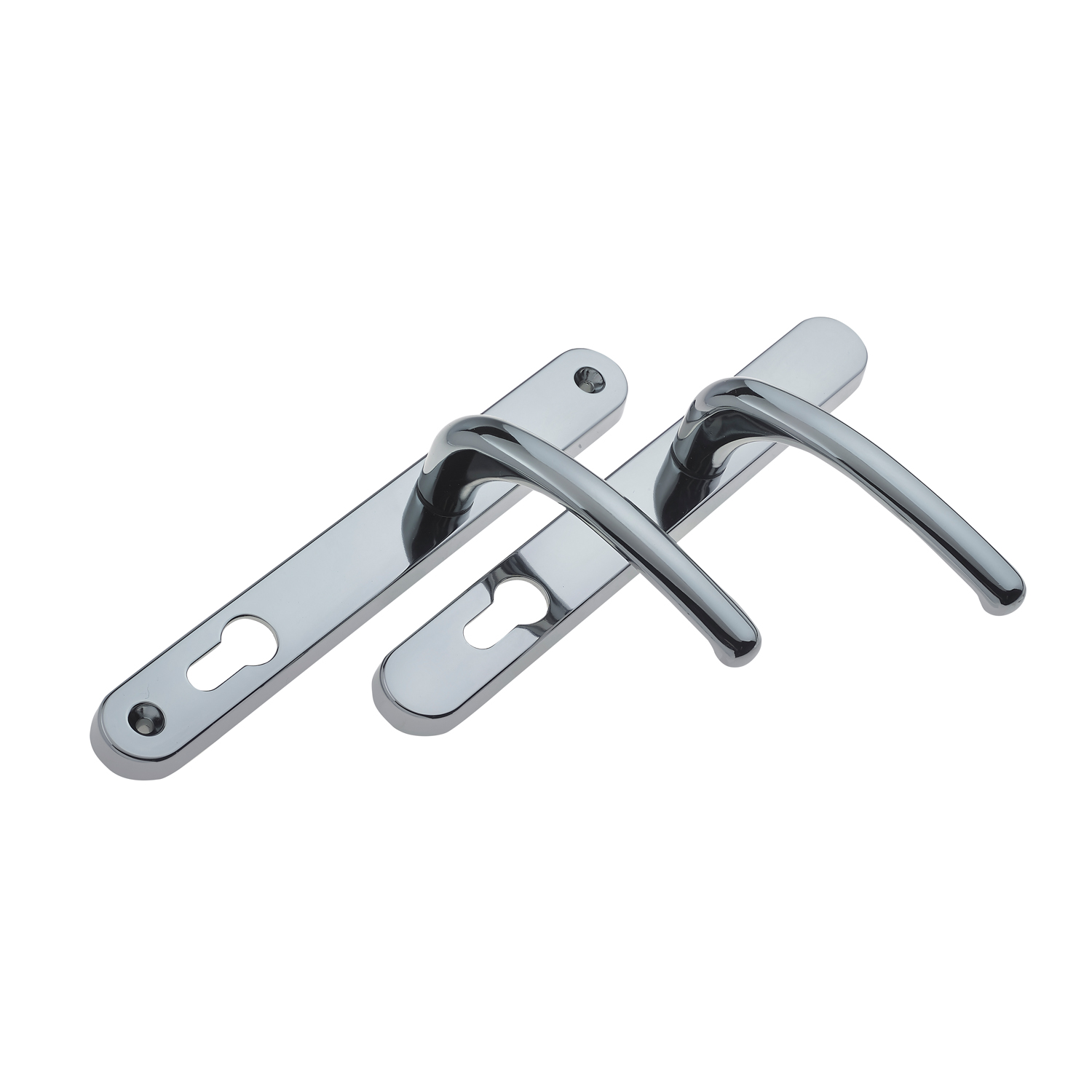
The lock or latch should be CE marked to BS EN 12209:2016 or preferably should be provided with additional product certification by an approved third-party certification body.
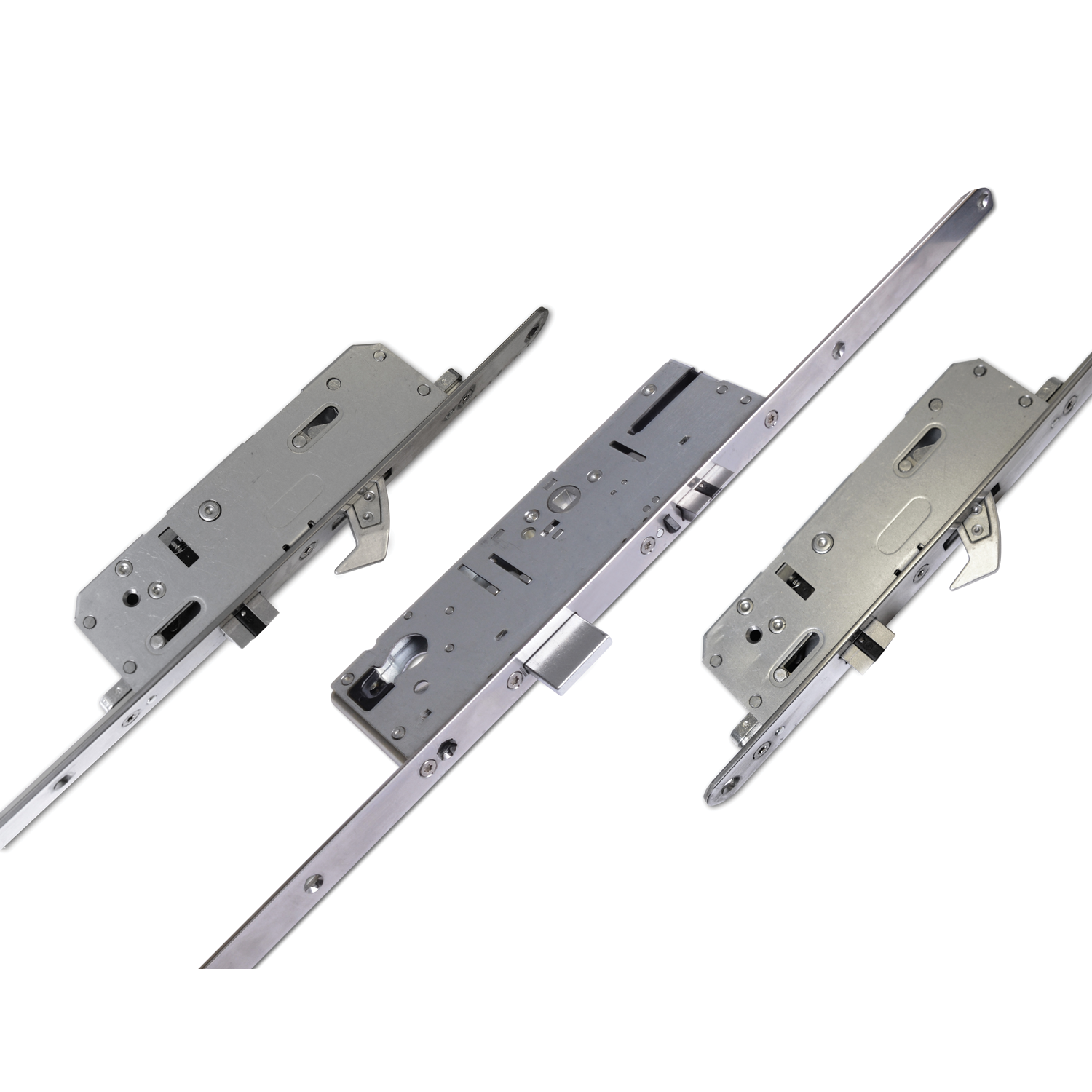
SureFire Classic 2 Hook Multi-Point Lock for Composite/Timber Doors
More options available
More Information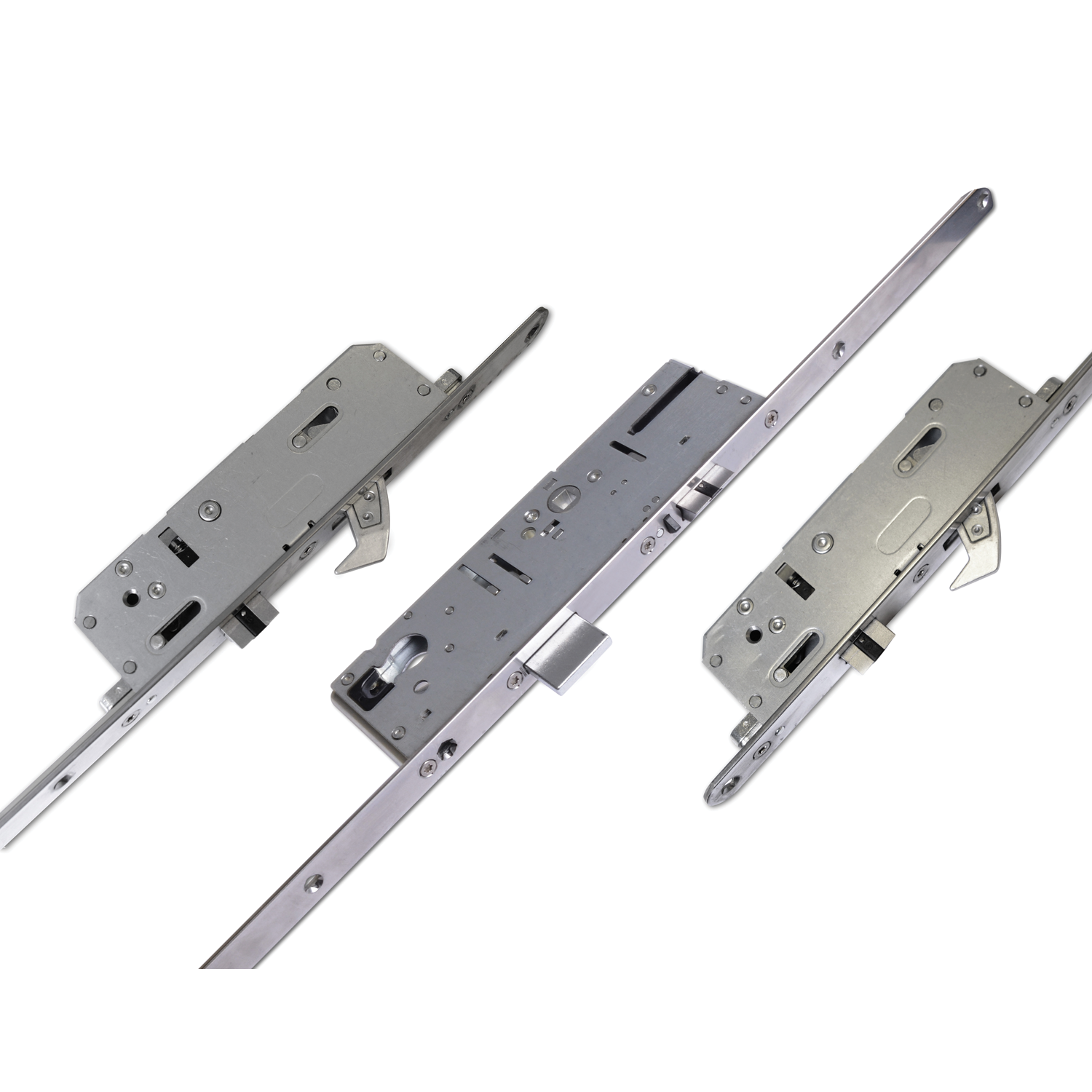
SureFire Heritage 2 Hook Multi-Point Lock for Composite/Timber Doors
More options available
More Information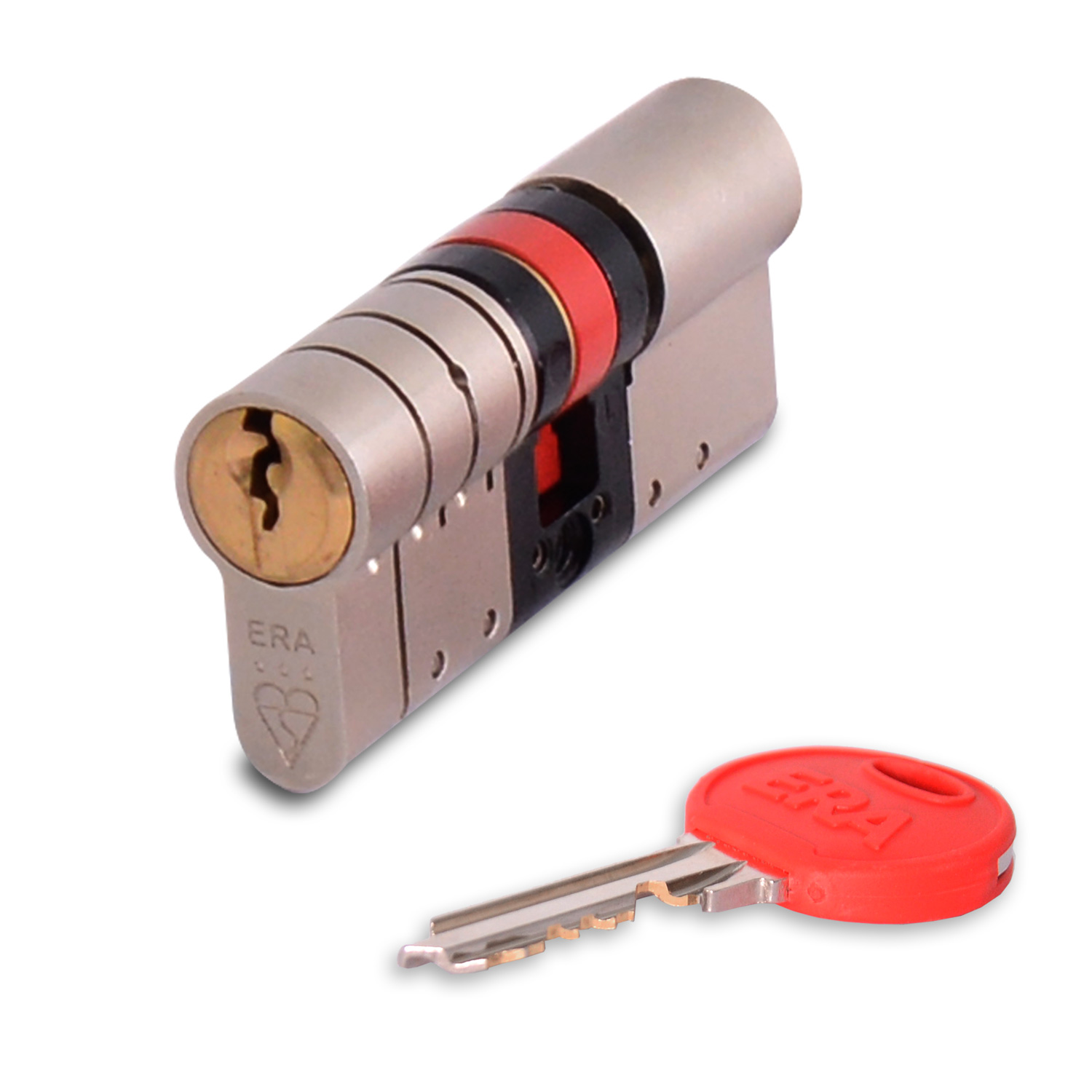
British Standard Fortress 3* 6 Pin Euro Profile Double Door Cylinder
More options available
More InformationLetter Plates
Letter plates introduce a weakness in a door and those made of aluminium are likely to melt. Even with steel flaps, deformation can lead to integrity failure. A double flap of steel, one on each side of the door, is likely to be necessary to maintain integrity.
There are letter plates on the market which have performed satisfactorily in fire tests in timber and steel doors. It is recommended that a product of proven performance and durability be selected, which has been included in satisfactory fire tests to BS 476-22:1987 or BS EN 1634-1:2014
Letter plates should ideally be positioned in the lower part of the door and should conform to BS EN 13724:2013.
