

Window Hinges and Friction Stays
Our pre-assembled casement window hinges require minimal installation and security can be enhanced by adding a hinge guard or hinge bolt to meet the requirements of PAS 24 on a full window set. Fully adjustable, ERA's window hinges allow the secure opening and closing of casement windows.
Egress hinges are ideal for windows where escape may be needed, and easy-clean functionality is great for cleaning those upper floor windows. Restrictor hinges are perfect for maintaining a reliable fixed opening distance. High rise properties which house small children would benefit from the addition of a safety restrictor device to safely limit the casement window opening.
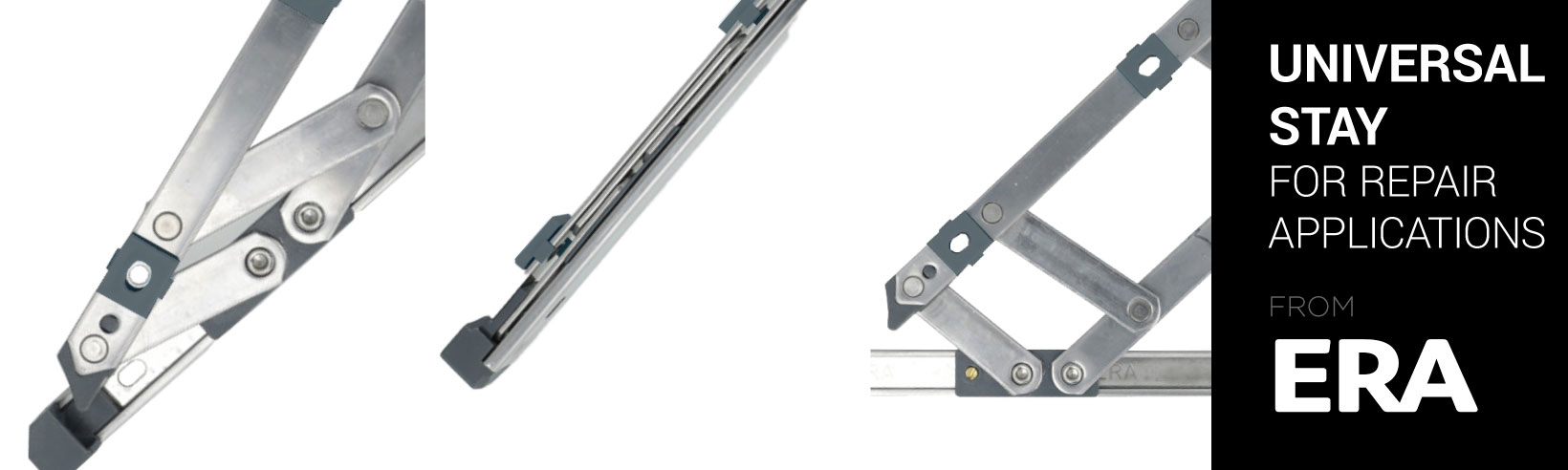
- Repair Stay
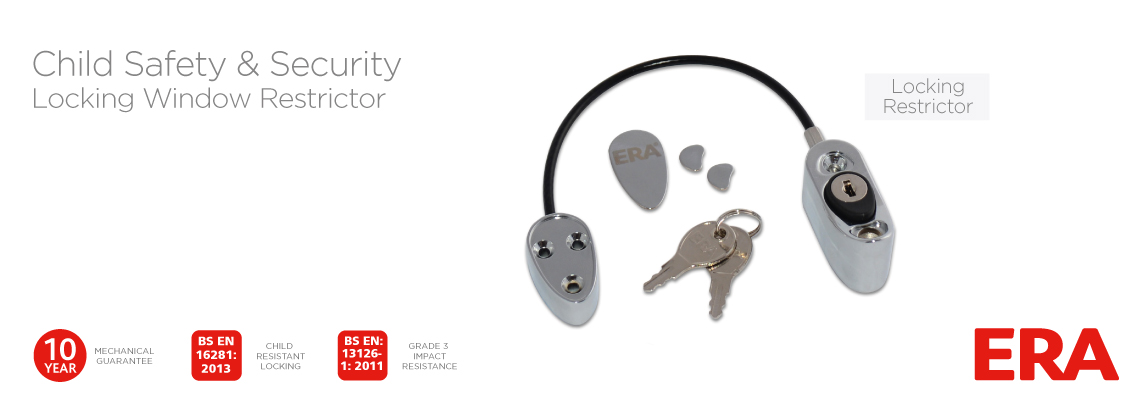
- Safety Restrictor
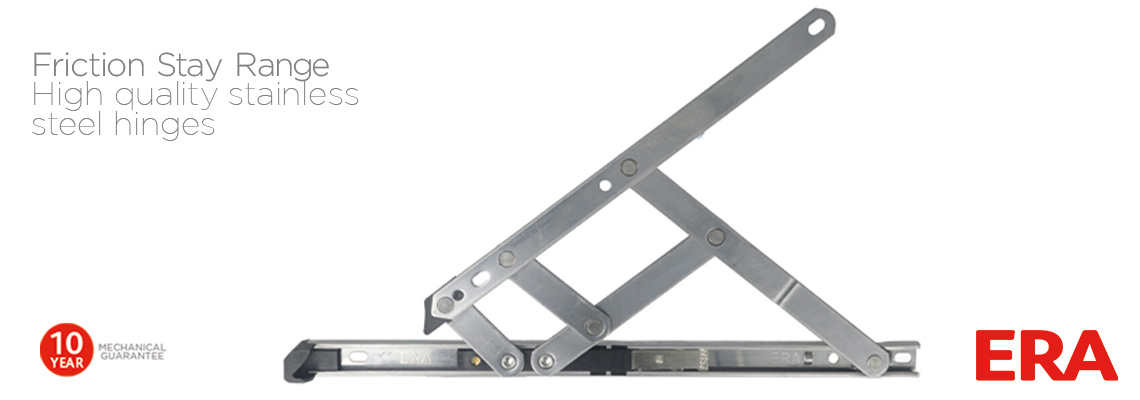
- Friction Stays
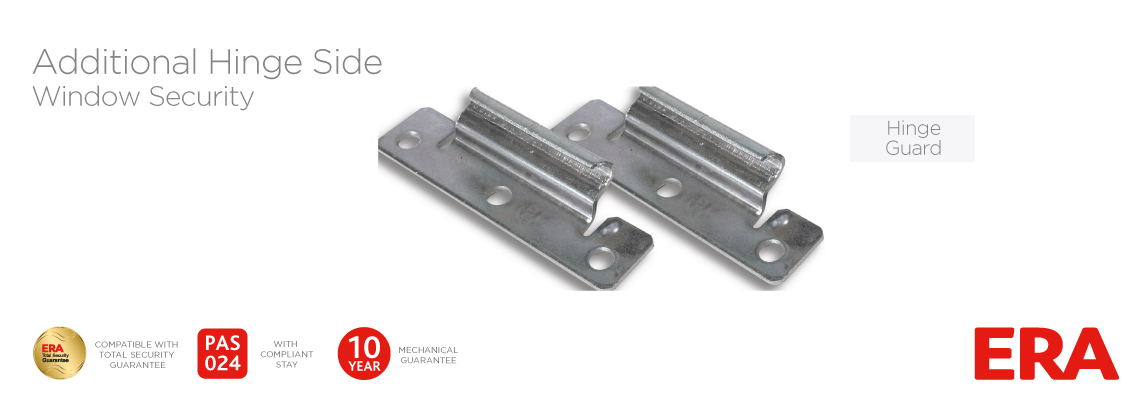
- Hingeguards
Categories

Featured Products
The Range
The hinge and friction stay system on a casement window is the mechanical backbone of the entire installation — responsible for carrying the weight of the sash, controlling its movement and holding it open safely against wind load.
It is also one of the components most likely to wear and degrade over time, and when it does, the symptoms are hard to miss: windows that won't stay open, sashes that drop or bind, drafts around the frame and, in extreme cases, sashes that can no longer be properly secured.
Specifying the right hinge or stay from the outset — and knowing when to recommend a replacement — is an essential part of delivering a window installation that performs well and lasts.
ERA's casement window hinge and friction stay range covers five distinct categories, each designed for a specific function or installation context.
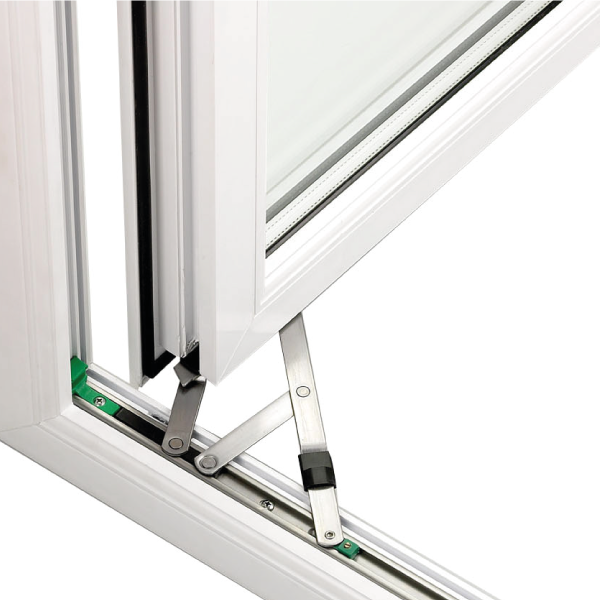
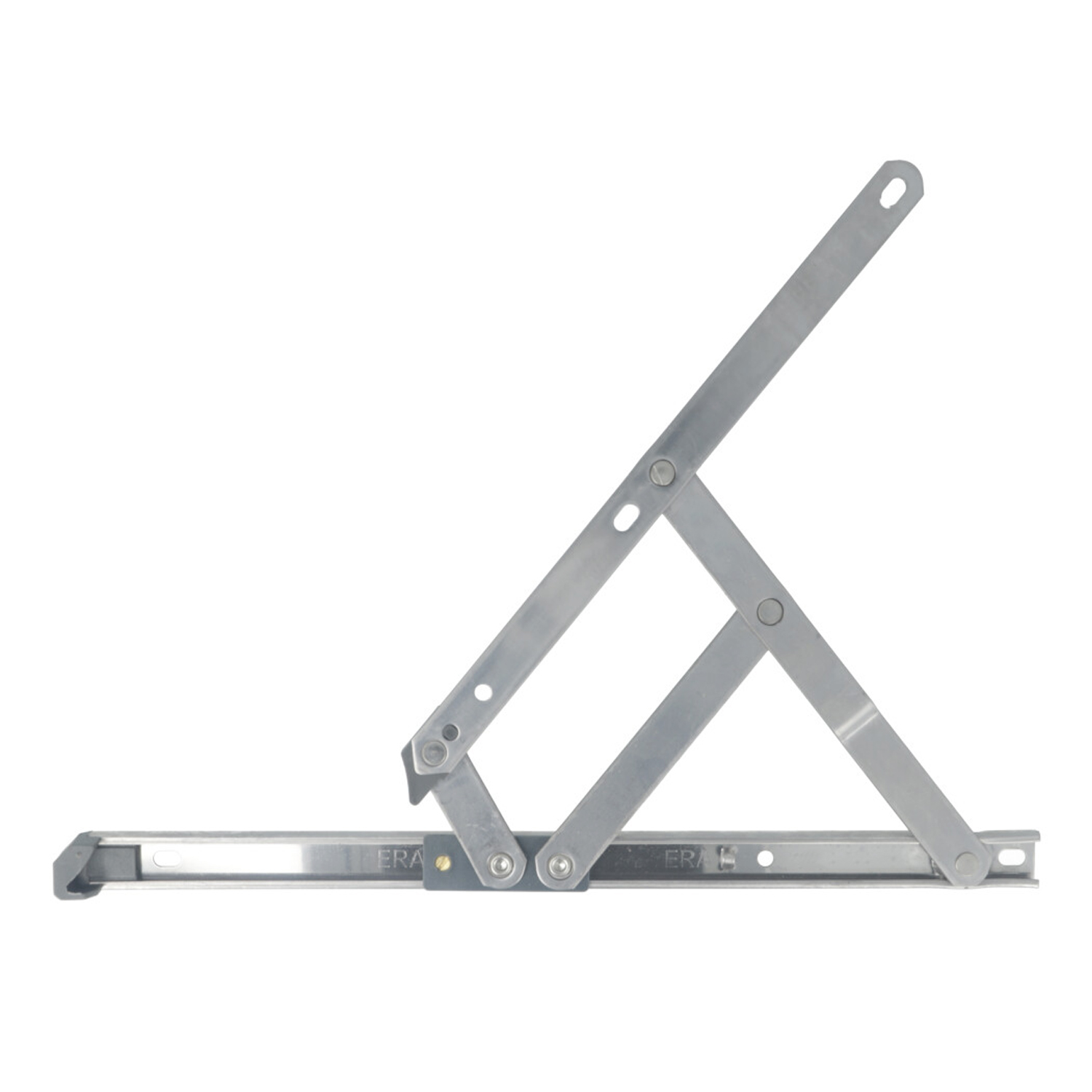
Standard friction stays are the workhorse of the range — the component fitted to the vast majority of modern PVCu and timber casement windows — available in a range of sizes and load ratings to suit different sash weights and frame dimensions.
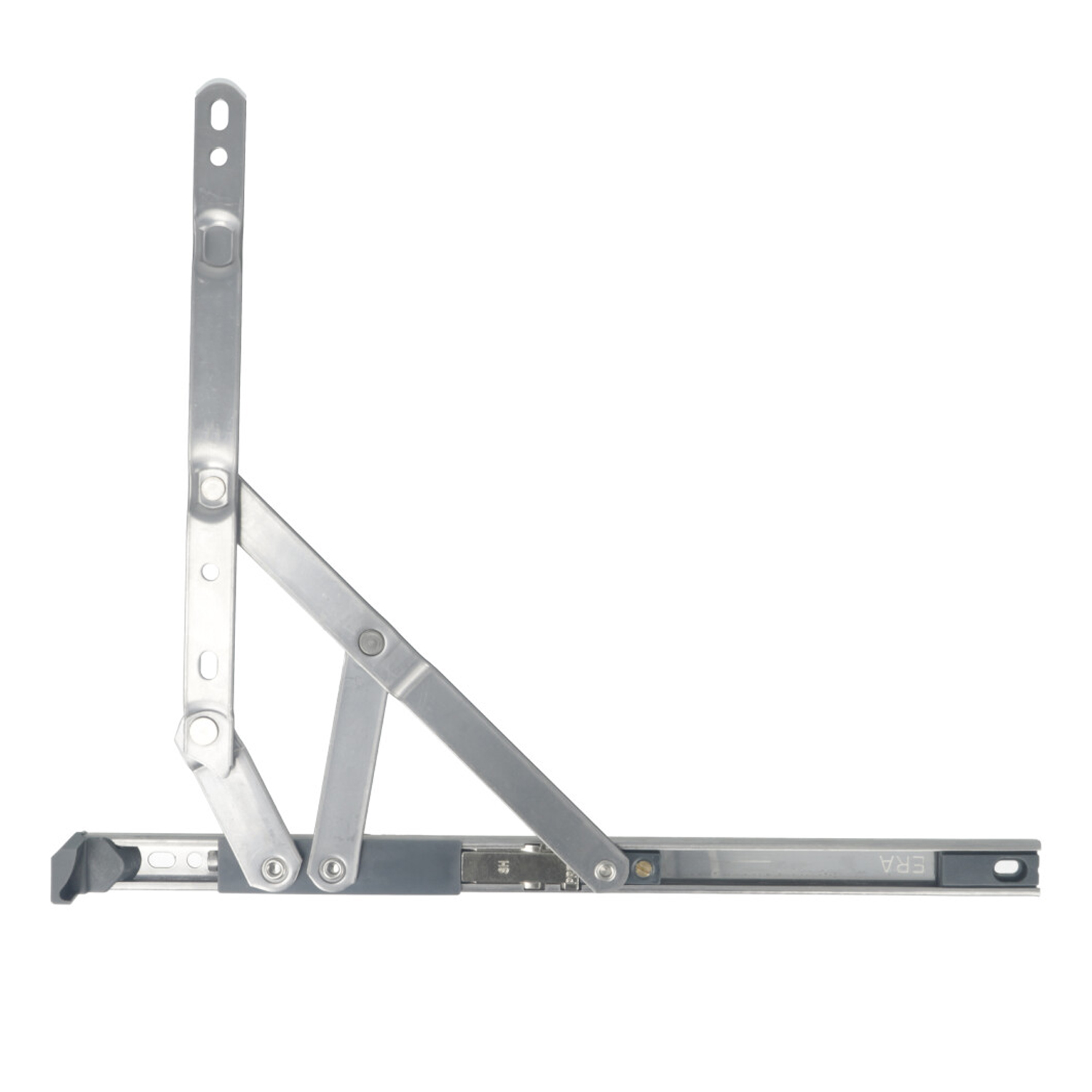
For windows where the sash needs to be opened fully for egress or cleaning purposes, ERA's egress and easy-clean friction stays allow the sash to swing open beyond the normal restricted position, pivoting out to create a wide, accessible opening angle that facilitates safe escape in an emergency or full access for cleaning upper floor windows from the inside.
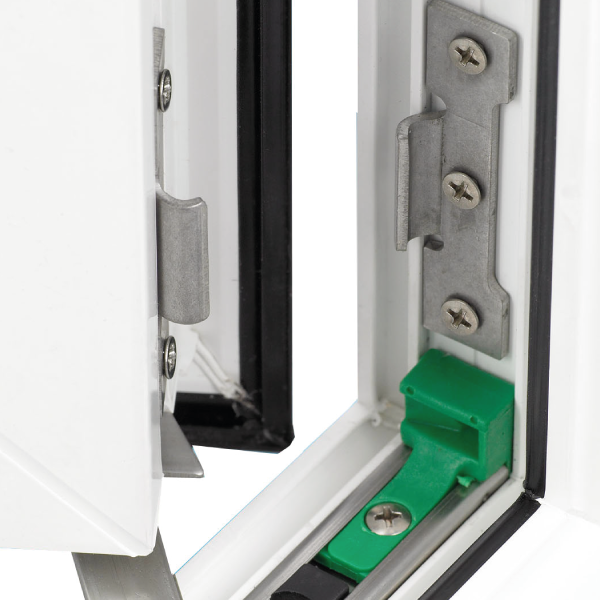
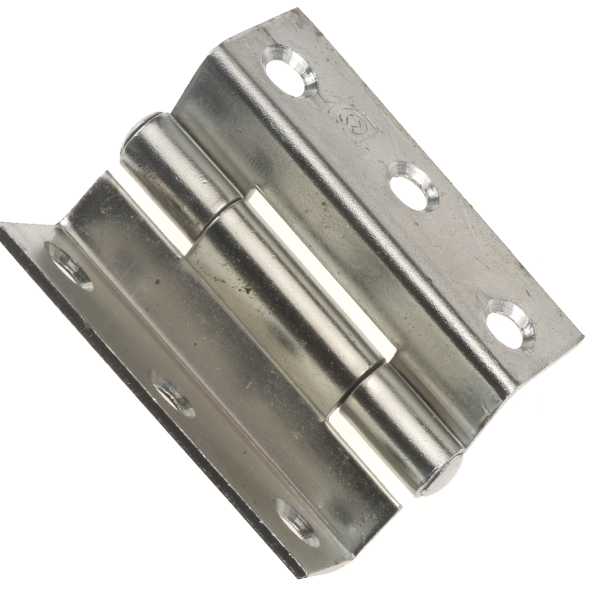
Stormproof hinges serve a different but equally specific function, designed for windows with a stormproof rebate profile — where the frame and sash have an overlapping weatherproof rebate rather than a flush-fitting relationship.
The stormproof hinge geometry accommodates this overlap and allows the window to open cleanly away from the frame, providing the correct clearance for both opening and weathersealing performance.
For fabricators and installers working with stormproof casement windows — which are particularly common in timber and heritage window systems — specifying the right stormproof hinge is essential for the window to operate correctly.
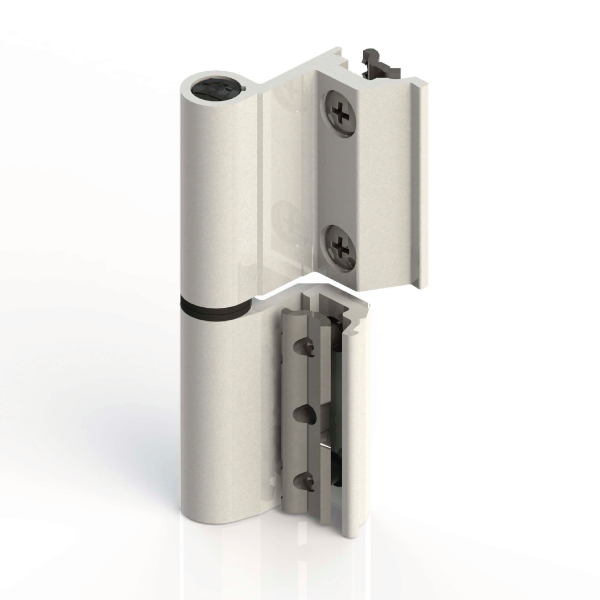
Aluminium hinges extend ERA's range to cover casement windows in aluminium profiles, where the hinge design and fixing configuration differ from PVCu and timber applications.
As aluminium windows continue to grow in popularity across both residential and commercial sectors, having the right aluminium-specific hinge available is an important part of ERA's commitment to covering all the major window systems encountered by trade professionals.
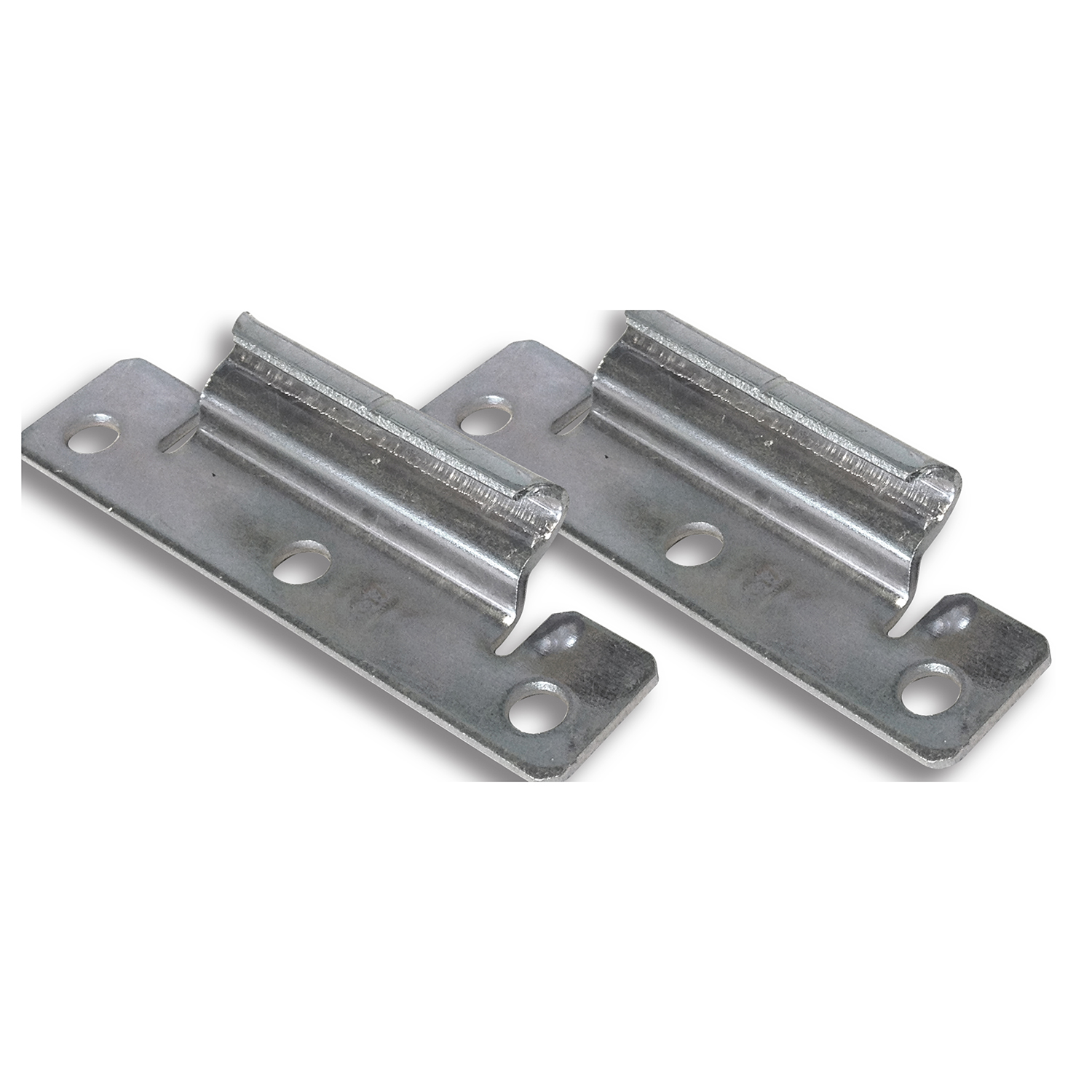
Hingeguards and hinge bolts address a specific and frequently overlooked security vulnerability — the hinge side of the window.
Most window locking systems focus on the handle-side locking points, but an experienced intruder can exploit an exposed or unprotected hinge to force a window open even when the locks are fully engaged.
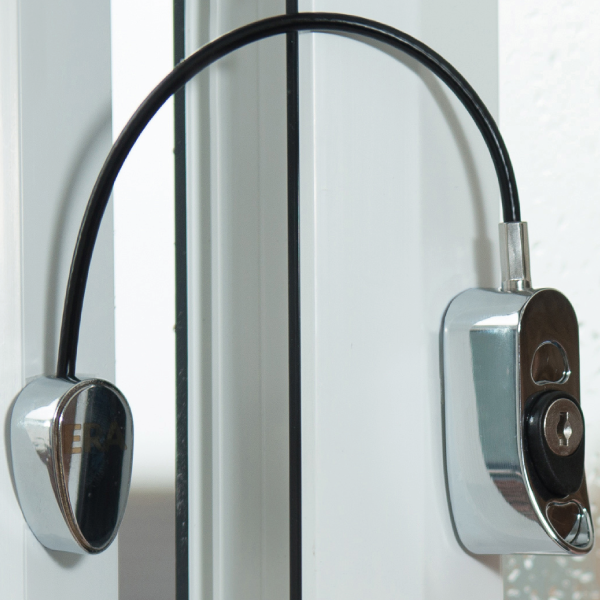
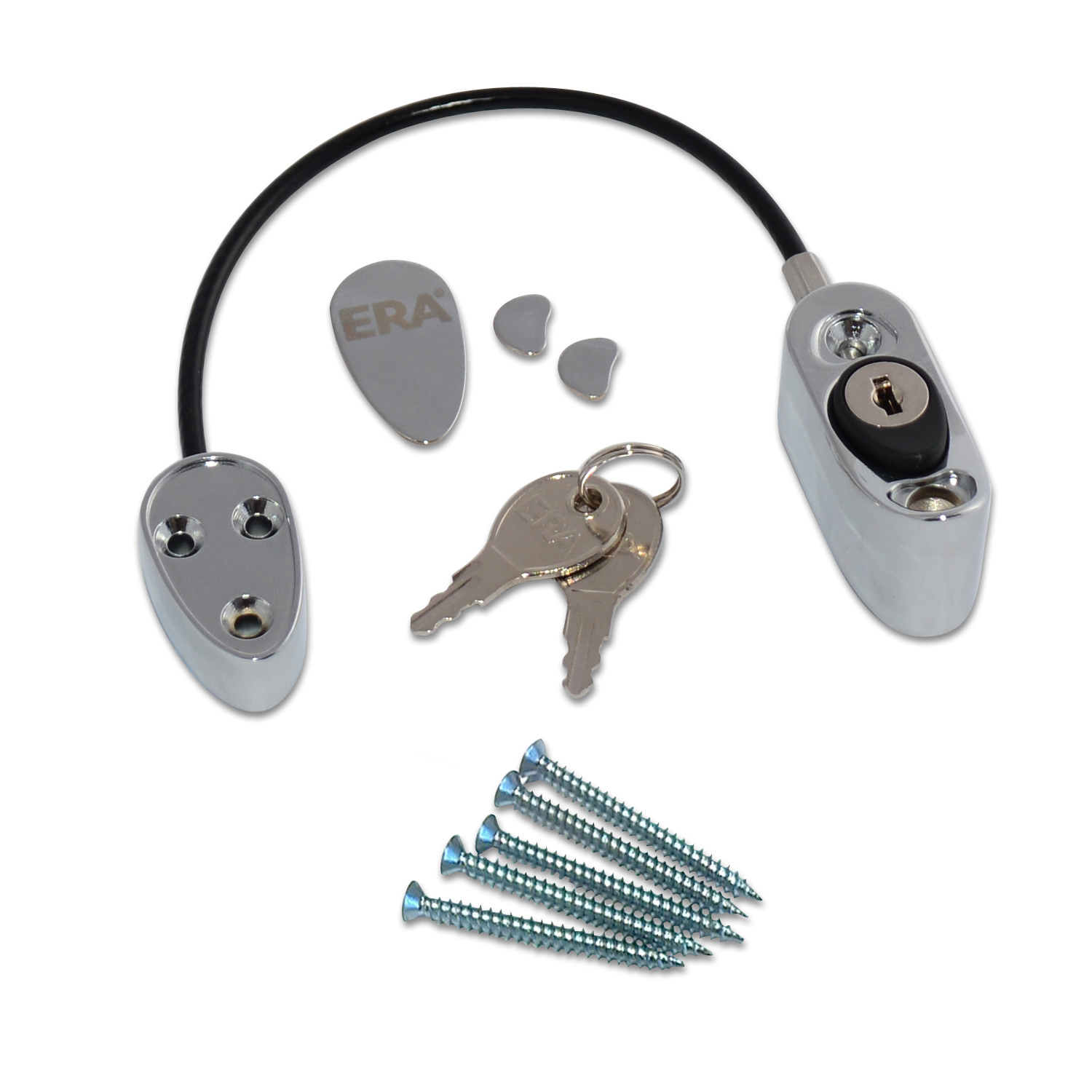
Restrictors round out the range with a safety-focused product that limits how far a casement window can open.
This is a standard requirement in many residential, care and commercial settings, and ERA's locking restrictor ensures the restriction cannot be removed by a child while still allowing the window to be fully opened by an adult when necessary.
Frequently Asked Questions
What window hinges and friction stays does ERA stock?
ERA stocks a comprehensive range of casement window hinges and friction stays covering five distinct categories: standard friction stays in a range of sizes and load ratings; egress and easy-clean friction stays for windows requiring full-open access; stormproof hinges for windows with stormproof rebate profiles; aluminium hinges for aluminium casement windows; and hingeguards and hinge bolts for security reinforcement on the hinge side of the window.
Window restrictors and safety locking restrictors are also available. All products are pre-assembled for straightforward installation and are compatible with ERA's wider window hardware range.
What is a friction stay and how does it work?
A friction stay — sometimes called a casement stay — is the hinged arm mechanism fitted to the side of a casement window sash that controls how far the window opens and holds it in position once open.
The 'friction' in the name refers to the resistance built into the stay mechanism, which prevents the sash from swinging freely in the wind and holds it at whatever opening angle is set by the installer or user.
The friction element is typically adjustable to suit different sash weights and operating preferences. Over time, the friction mechanism can wear, causing the sash to drop when open — when this happens, replacing the stay is the most effective remedy.
What is the difference between a standard friction stay and an egress/easy-clean friction stay?
A standard friction stay restricts the window to a normal operating range — typically up to around 90 degrees of opening — which is appropriate for most residential and commercial window applications.
An egress and easy-clean friction stay allows the sash to be released from the standard restricted position and swung fully open to a much wider angle, typically beyond 90 degrees.
This full-open position serves two purposes: it creates a large, accessible emergency egress opening that meets building regulation requirements for escape windows; and it allows the outside face of the sash to be cleaned from inside the building on upper floor windows without the need to access the exterior. ERA's egress and easy-clean friction stay combines both functions in a single product.
What is a stormproof hinge and when should it be specified?
A stormproof hinge is a casement window hinge specifically designed for windows with a stormproof rebate profile, where the frame and sash have an overlapping moulded rebate rather than a flat-meeting flush profile.
The geometry of a stormproof hinge accommodates this overlap and allows the sash to clear the frame correctly as it opens, without binding or damaging the rebate profile. Stormproof hinges are most commonly required on traditional and heritage-style timber casement windows, where the stormproof rebate has long been a standard joinery detail.
Fitting a standard flush hinge to a stormproof casement will result in incorrect operation and potential damage to the window frame.
What is a hingeguard and how does it contribute to PAS 24 compliance?
A hingeguard is a security reinforcement device fitted over the exposed hinge of a casement window, preventing the hinge pin from being removed or the hinge from being levered off in a forced entry attempt.
The hinge side of a casement window is a known security vulnerability — an intruder who can defeat or remove the hinge can swing the sash open regardless of how well the opposite side is locked.
ERA's Elite Hingeguard closes this gap by physically encasing and reinforcing the hinge against attack.
When specified alongside ERA's window lock and handle system, the addition of a hingeguard contributes to the complete PAS 24 compliant window security package, addressing all the principal attack vectors that PAS 24 testing assesses.
How do I choose the right friction stay size for a casement window?
The key factors when selecting a friction stay are the sash size — specifically its width and weight — and the load rating required to hold the sash open reliably without sagging or closing under its own weight or wind pressure.
ERA's standard friction stay range is available in multiple sizes and load ratings to cover the full range of sash dimensions and weights encountered in residential and commercial casement windows.
As a general guide, larger and heavier sashes require stays with a higher load rating.
For egress windows, the opening angle requirement also determines whether a standard or egress/easy-clean stay is the appropriate choice.
If in doubt, ERA's technical team can advise on the correct stay specification for specific sash dimensions and profiles.
