

Mortice Locks
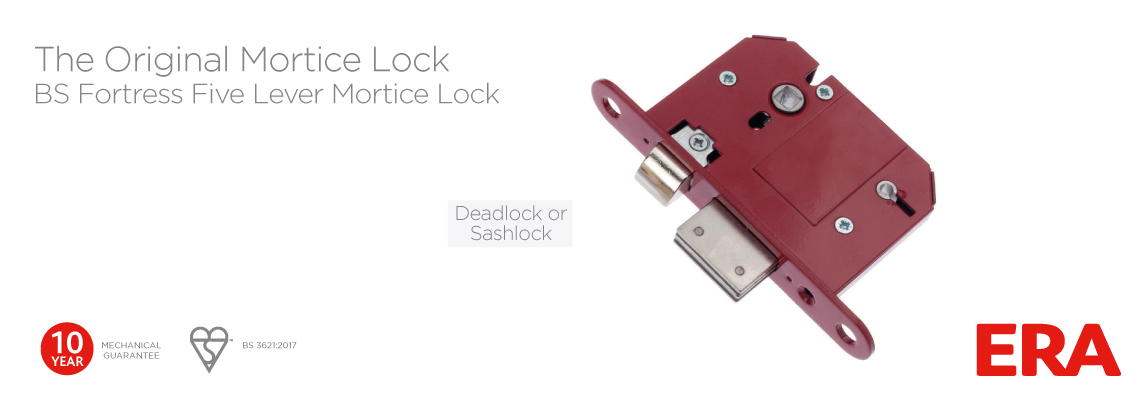
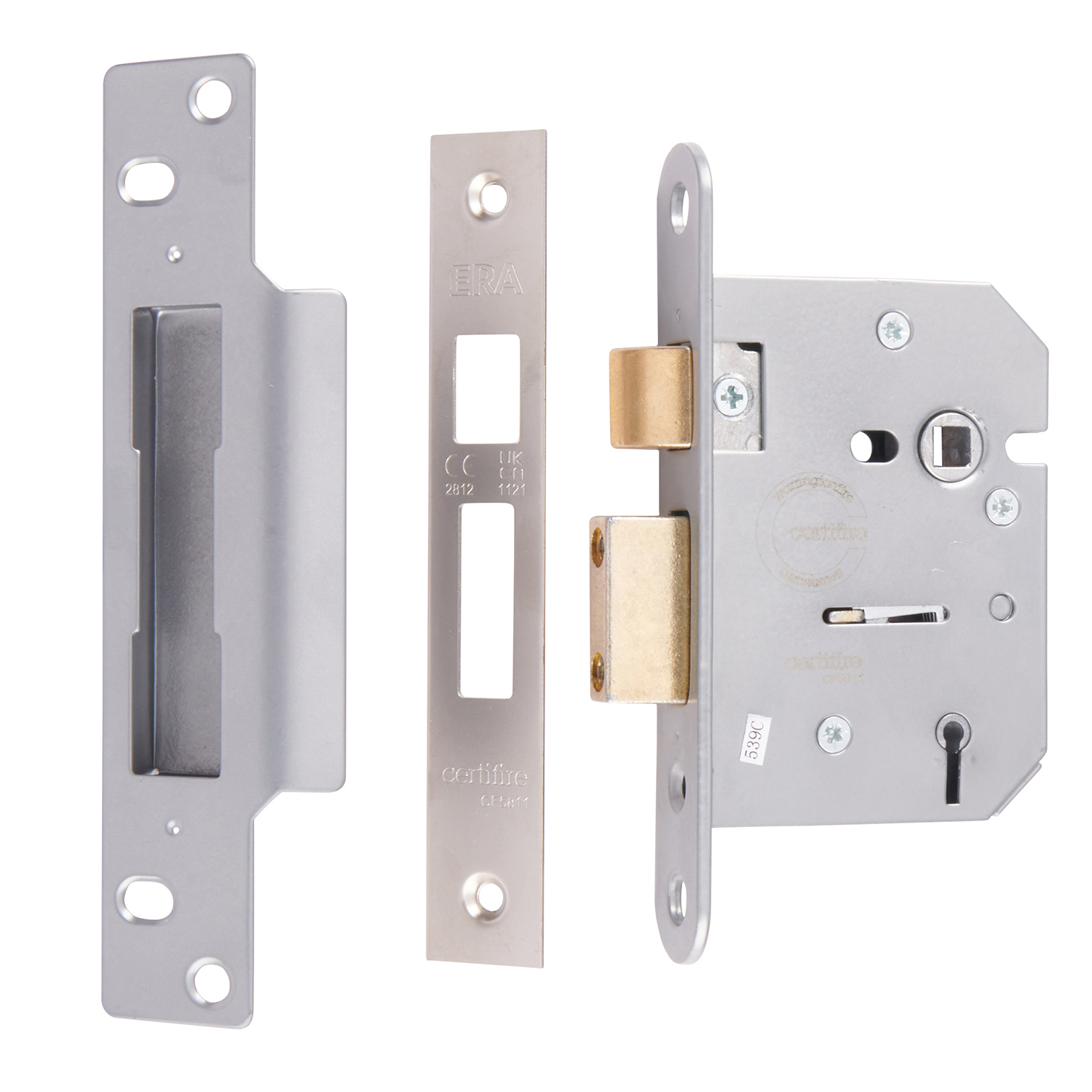
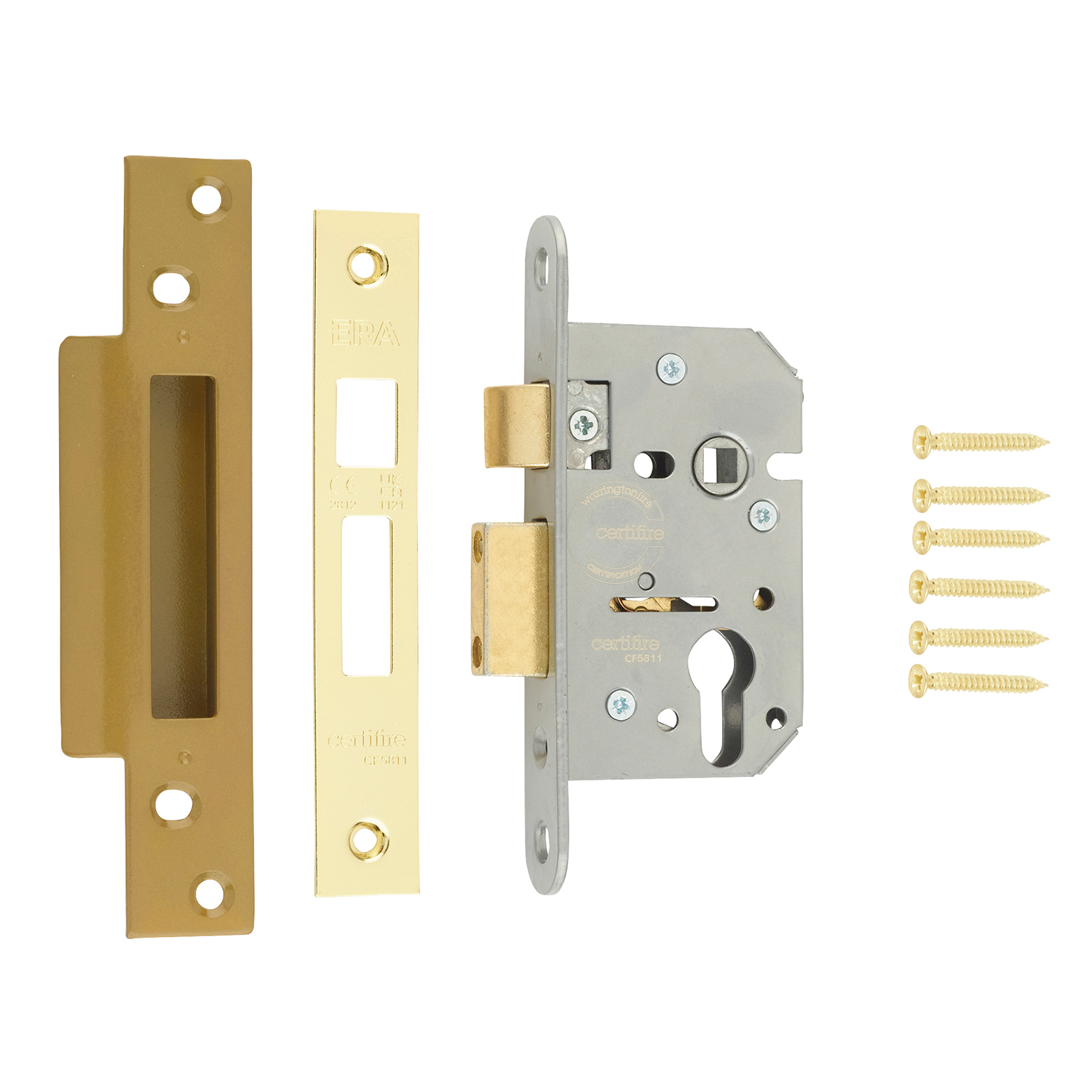
A mortice lock is a secure and seamless solution to your customer’s front door security as it's embedded directly into the timber door. We manufacture and stock both deadlock and sashlock style mortice locks in a variety of security levels.
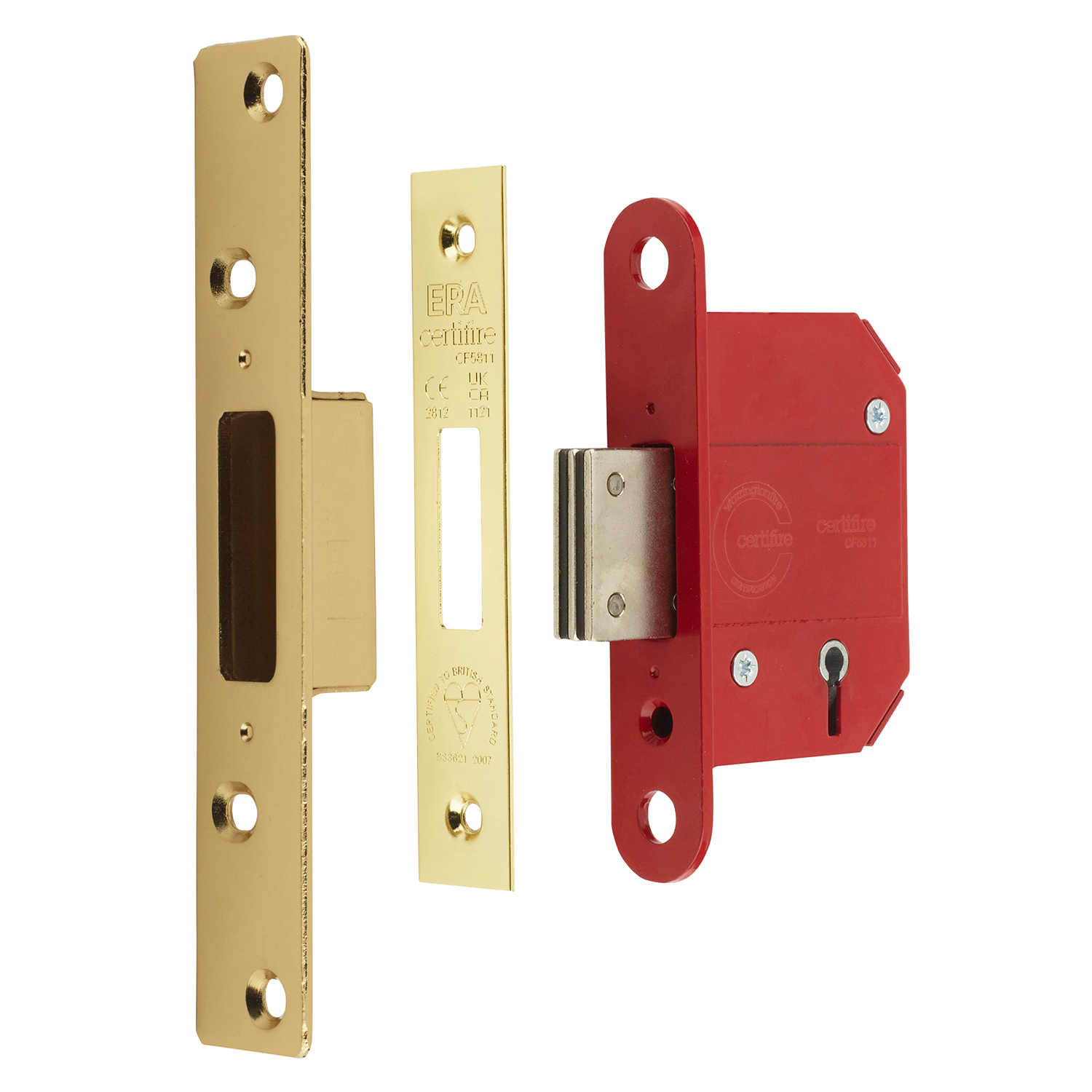
From the standard 3 lever to the British Standard Fortress 5 lever system, that complies with industry and insurance standards. The hardened steel assembly resists drilling and hacksawing and makes our Fortress mortice lock a dependable addition to home and door security.
We also supply keyless egress options and rebate kits, suitable for sashlock or deadlocks, with instruction for application; plus a range of external rim locks too.
Categories

The Range
Mortice locks have been the trusted standard for securing timber entrance doors for generations, and with good reason.
Unlike surface-mounted locks, a mortice lock is set directly into the body of the door itself, making the lock an integral part of the door's structure rather than an addition to it.
The result is a neater, more secure finish — one that is harder to attack and harder to remove without the correct key.
For trade installers working on traditional timber entrance doors, getting the mortice lock specification right is one of the most important decisions on the job.
ERA's mortice lock range covers the full spectrum of requirements, from solid 5 lever locks for everyday residential applications through to British Standard BS3621 Fortress locks for properties where insurance compliance and maximum security performance are a priority.
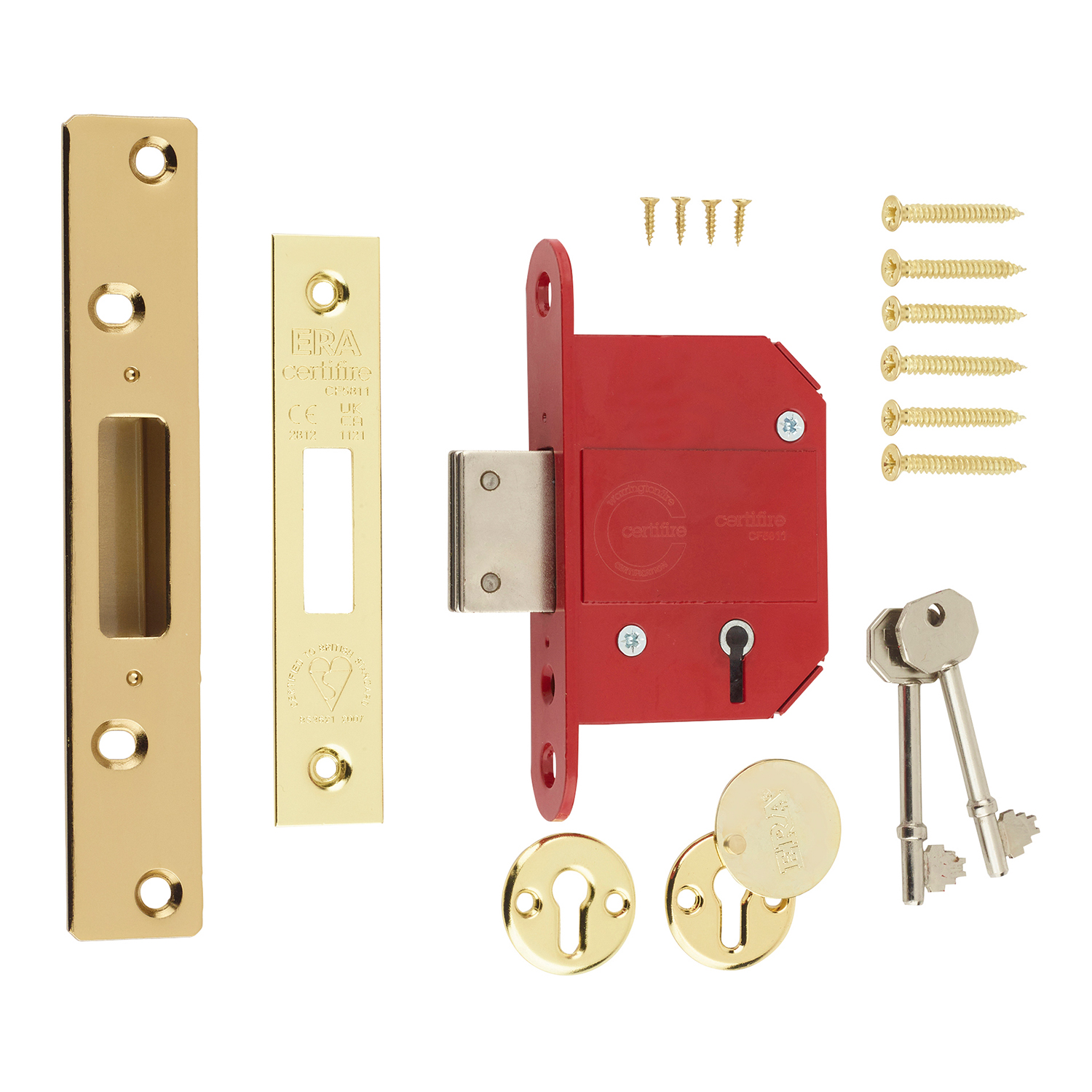
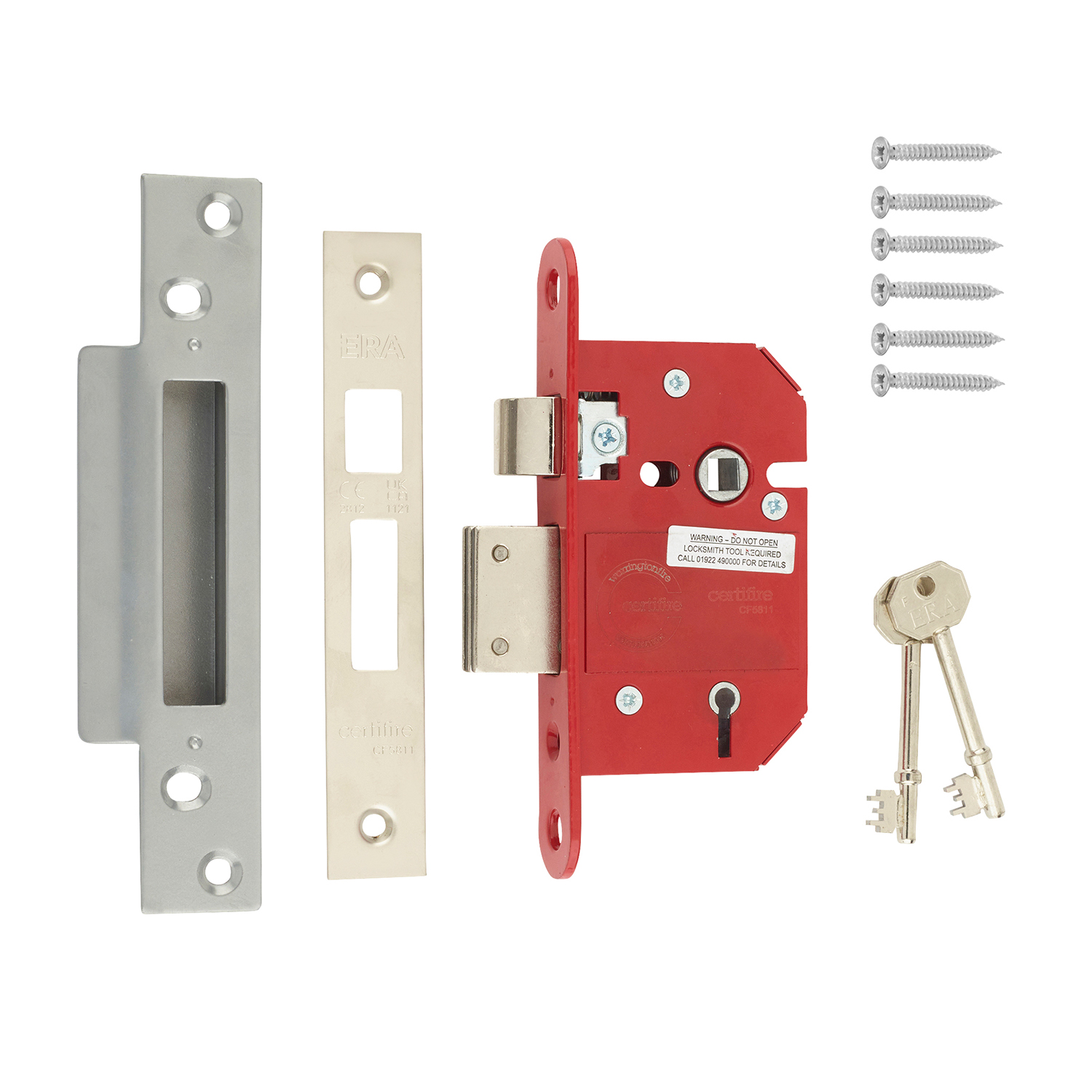
Our flagship Fortress 5 lever range is available in both deadlock and sashlock configurations and carries the BS3621 Kitemark — the benchmark standard that many home insurers require as a minimum for front door locks on timber doors.
Constructed with a hardened steel assembly that resists drilling and hacksawing, the Fortress is built to withstand determined attack and provide long-term, reliable security that installers and homeowners can depend on.
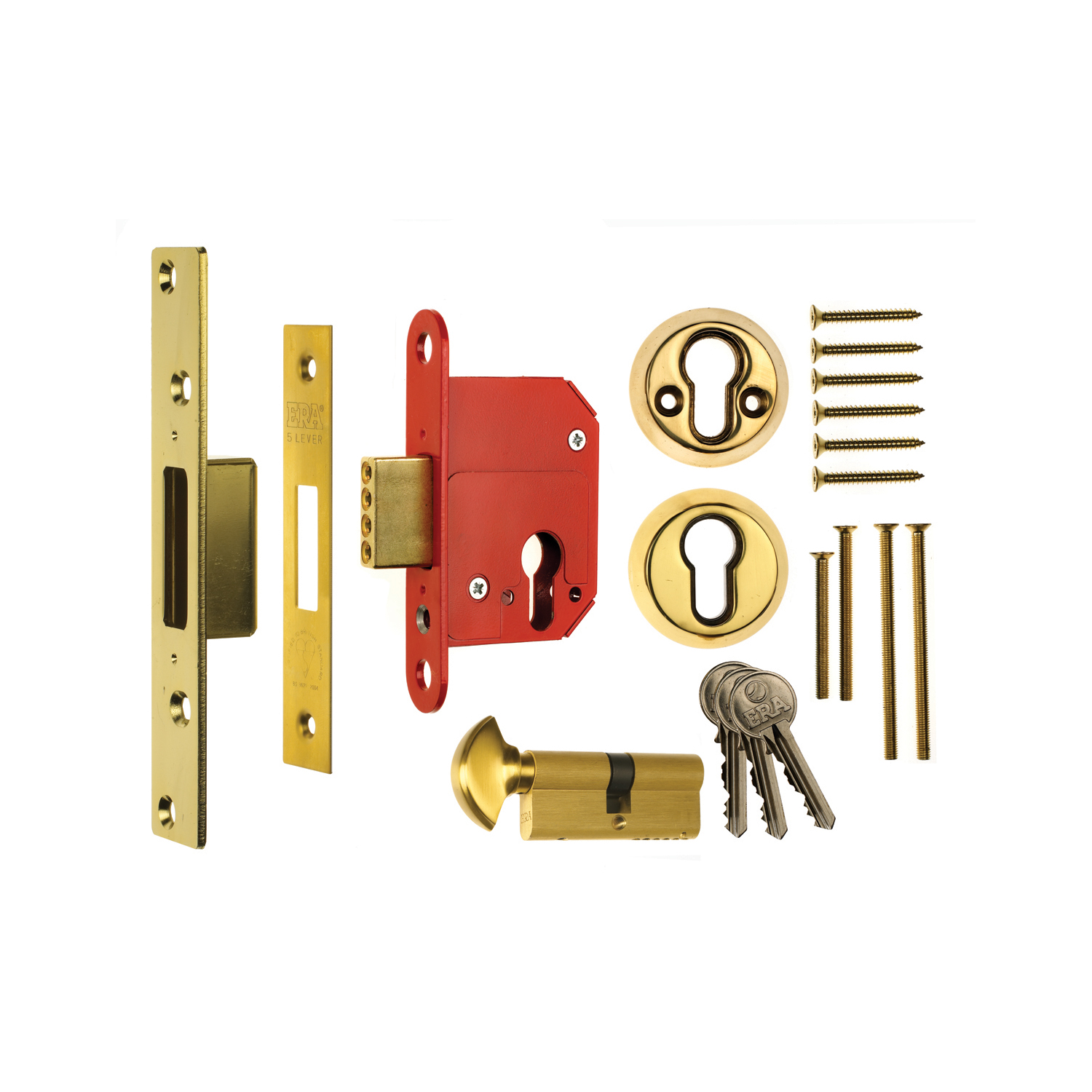
For installations where a euro cylinder operation is preferred over traditional lever key operation — increasingly common on renovation and modernisation projects — ERA's Viscount range offers euro cylinder mortice deadlocks and sashlocks that bring contemporary cylinder compatibility to the proven mortice format.
This allows installers to deliver the security advantages of a mortice lock while giving clients the convenience of operating the door with a euro cylinder key that may already be in use elsewhere on the property.
Keyless egress mortice locks are an important consideration for any entrance door installation where fire safety regulations apply.
ERA's BS8621 compliant keyless egress range allows the door to be opened from the inside without a key — a critical requirement in buildings where safe, rapid egress in an emergency must be maintained at all times.
These products are essential for residential care settings, HMOs, and commercial premises where the building's fire risk assessment specifies keyless egress compliance.
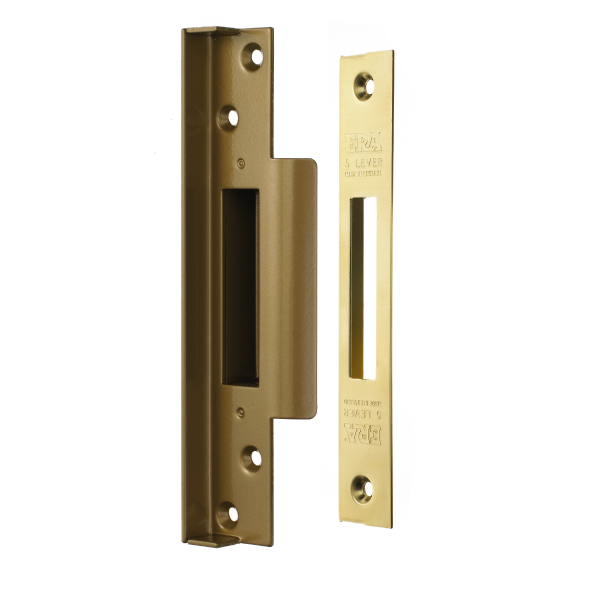
Rebate sets are a practical accessory for mortice lock installations on doors that are rebated — where the door and frame overlap rather than meeting flush. Without the correct rebate set, the lock bolt or latch cannot engage properly with the keep in the rebated frame.
ERA's rebate sets are available for both sashlock and deadlock configurations, ensuring a clean, functional installation regardless of the door and frame geometry.
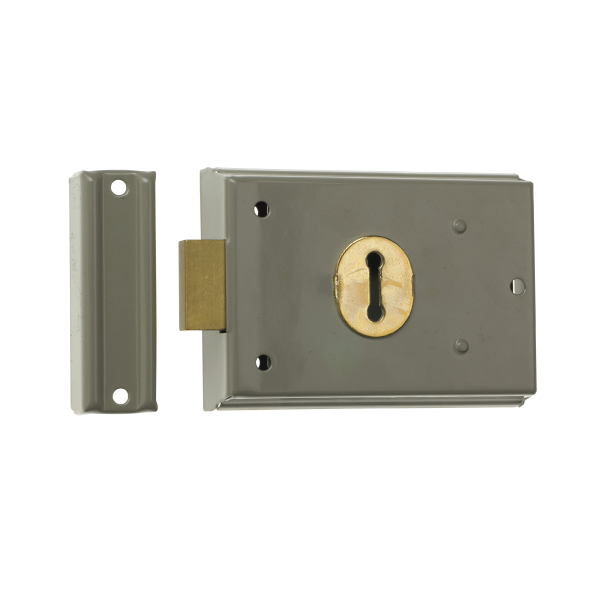
For period properties and traditional doors where a surface-mounted lock is more appropriate, ERA's rim lock range provides a robust and characterful alternative to the mortice format.
Rim locks are fitted to the face of the door rather than recessed into it, making them a practical choice for thinner doors or heritage applications where cutting a full mortice pocket is not desirable.
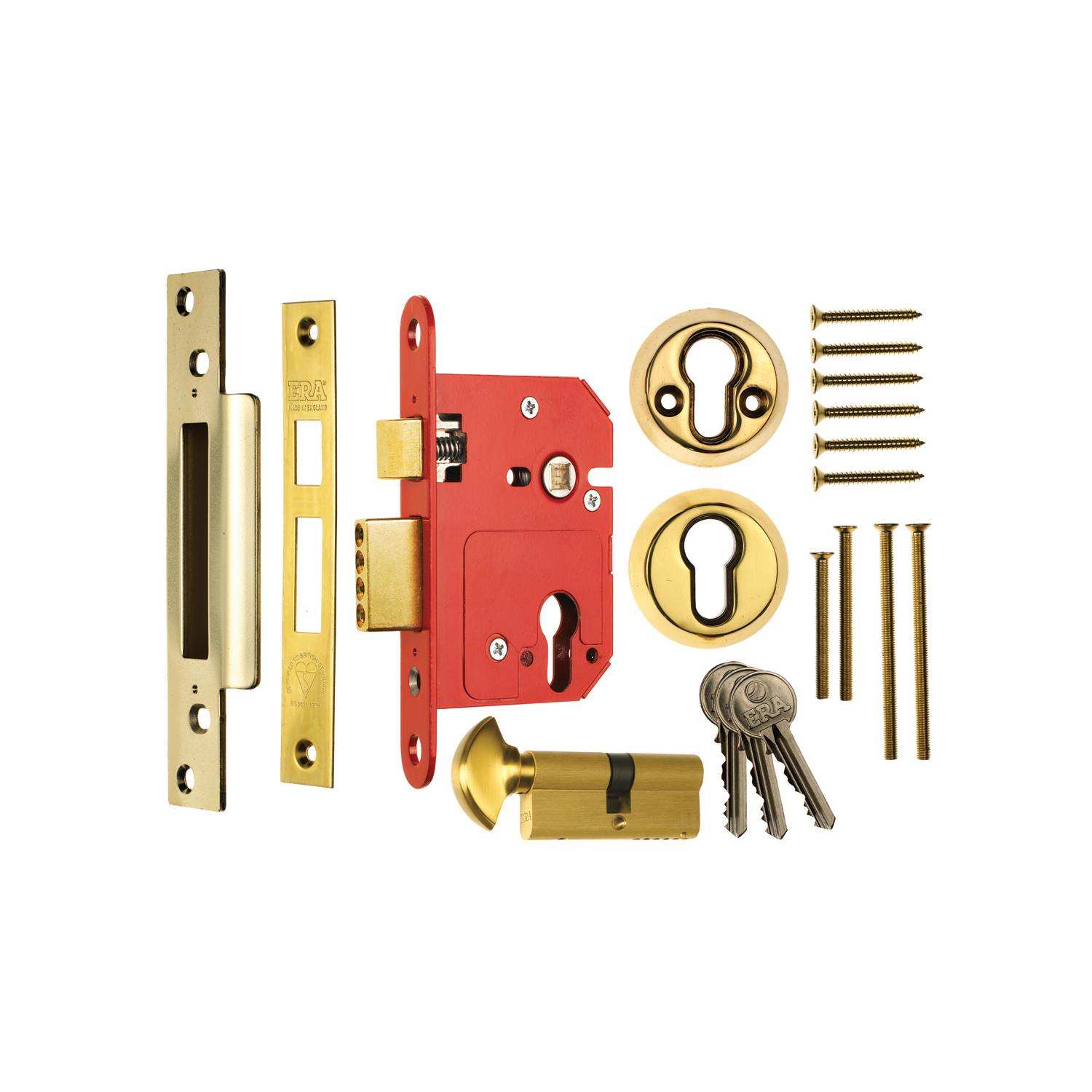
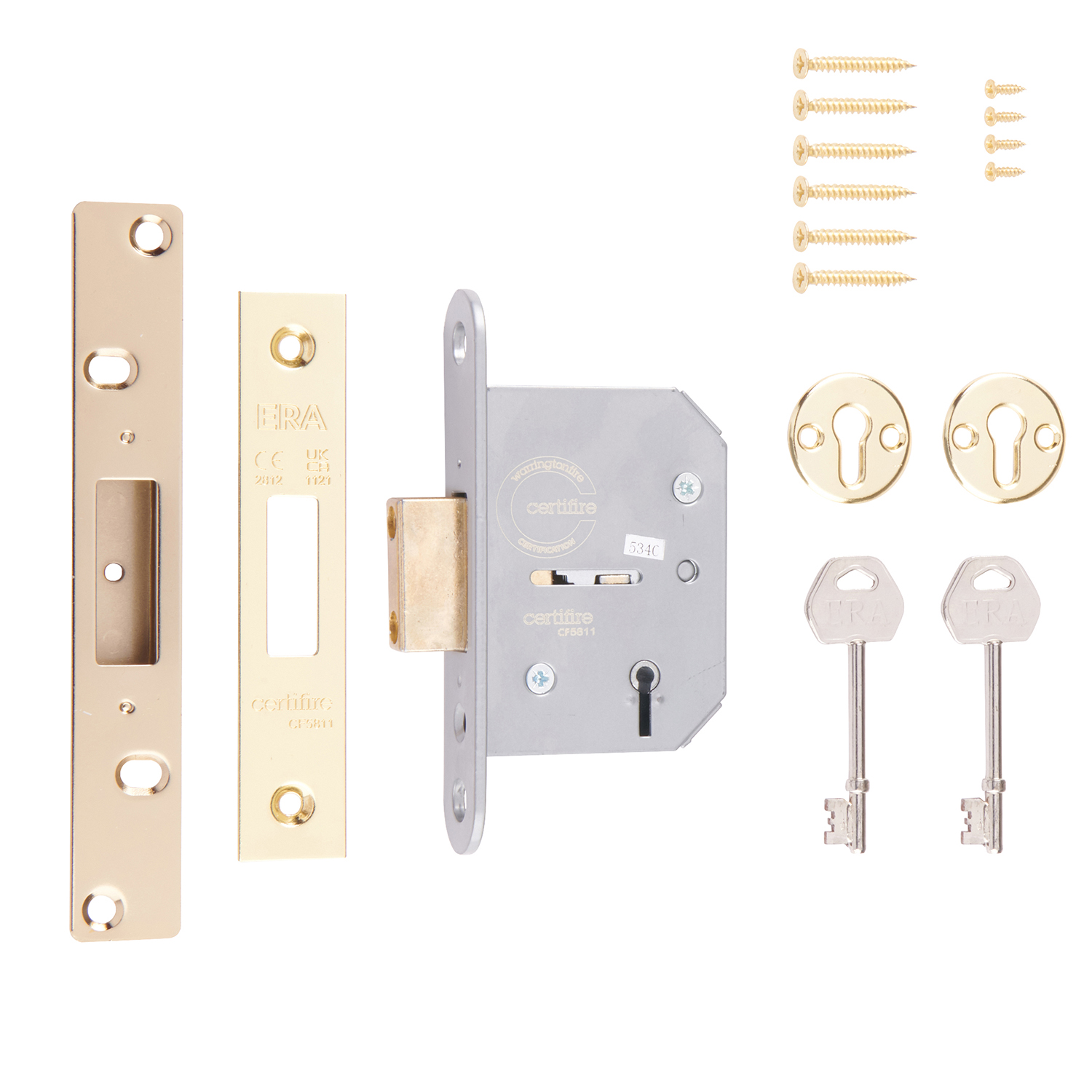
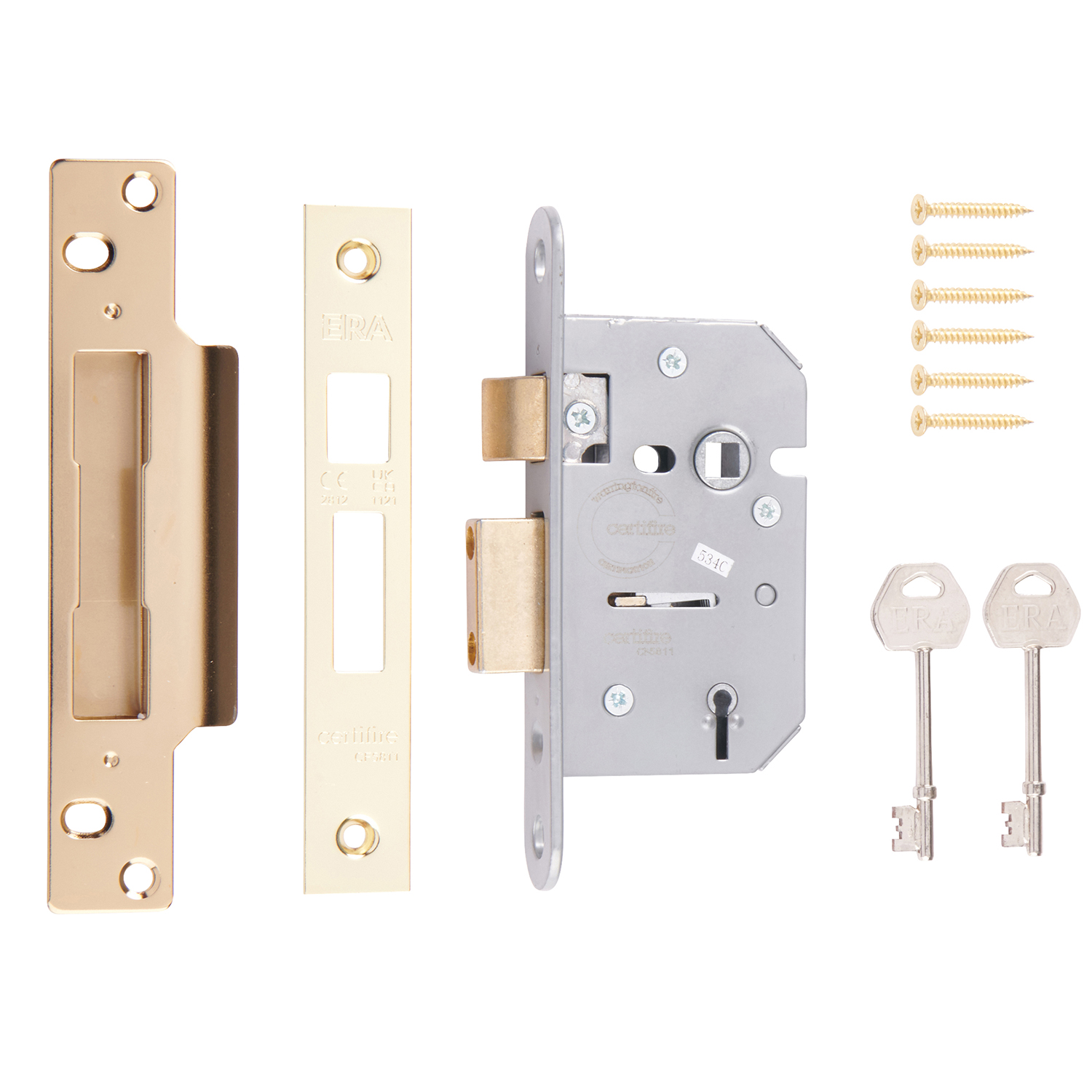
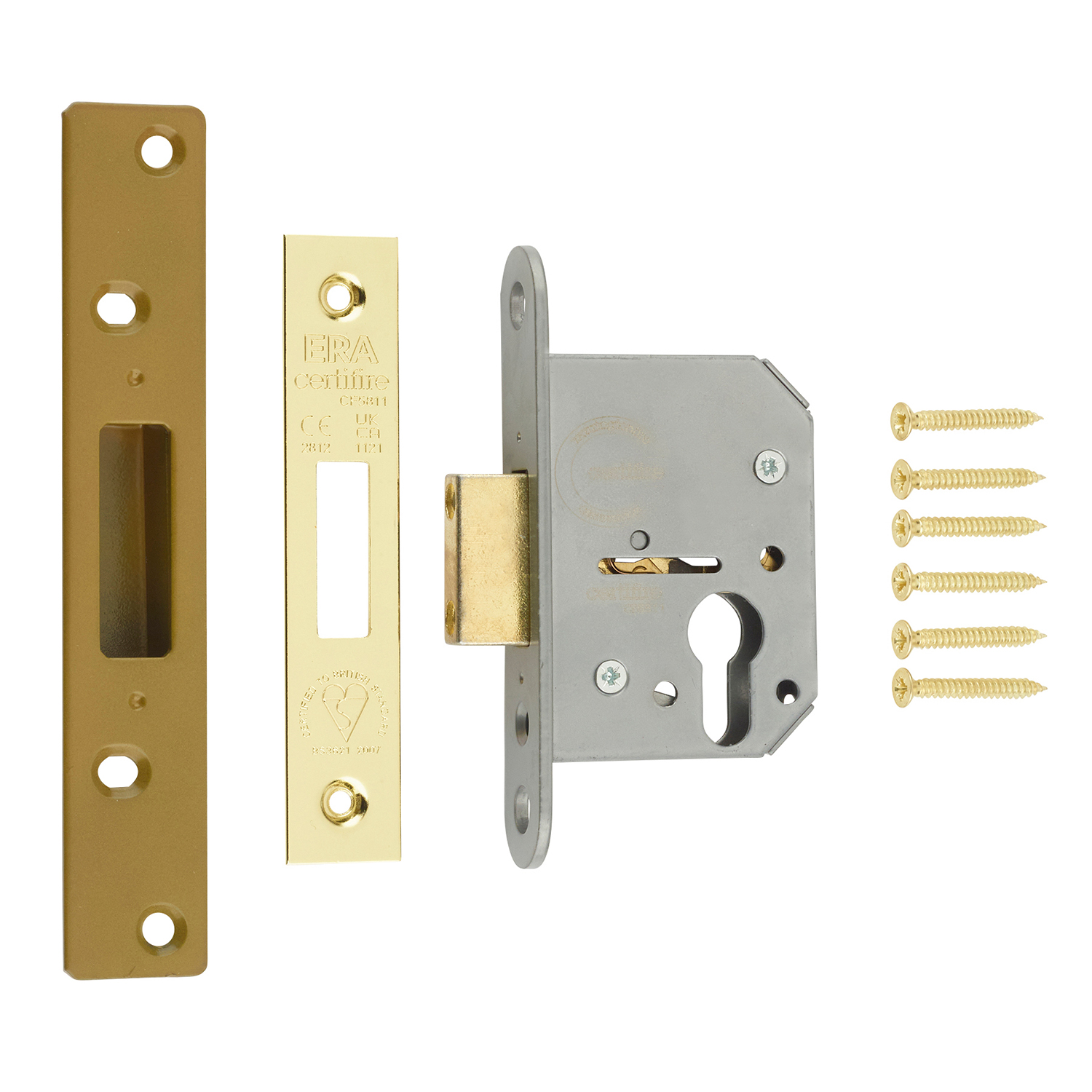
Featured Products
Articles and FAQs
How to fit a Mortice Lock Read more...
In this handy how-to guide from ERA, we’ll explain how to fit a typical mortice lock that's used in traditional timber doors.
How to measure a Mortice Lock Read more...
In this handy how-to guide from ERA, we’ll explain how to measure a typical mortice lock that's used in traditional timber doors.
How to choose a Mortice Lock Read more...
In this handy how-to guide from ERA, we’ll explain how to pick a mortice lock that's used in traditional timber doors.
Let’s talk certification and standards with ERA Experts Read more...
Let's take a look at the latest standards with ERA
How do you fit a mortice lock?
Position the lock body on the door, mark top and bottom on door edge. Drill a series of holes to the depth, then chisel out remaining wood. Hold lock against the door ensuring the faceplate is flush and mark position of the keyhole, drill and cut holes on both sides of the door. Secure with screws. Chisel out frame for box striker and secure with screws. Check operation. For a step by step guide check out our How to fit a mortice lock guide.
How do you measure a mortice lock?
When fitting or replacing a mortice lock there are five key measurements to ensure that you purchase the correct lock for the application. Backset (centre of the keyhole to edge of lock), centre (centre of the keyhole to centre of the follower hole), case depth, case height, faceplate length and faceplate width. For a step by step guide check out our How to measure a mortice lock guide.
How do you choose a mortice lock?
There are several different options when you are choosing a mortice lock. Available as either a deadlock or sashlock, mortice locks generally use traditional key locking or euro cylinder operation. Where will the lock will be fitted – is it an internal door or an external door? As this will likely influence the security level you need. Do you have an existing lock fitted, is this for a replacement or a new installation? For a step by step guide check out our How to choose a mortice lock guide.
Frequently Asked Questions
What is a mortice lock and how does it work?
A mortice lock is a lock mechanism that is fitted into a pocket — or mortice — cut into the edge of a timber door, making it flush with the door's surface.
When the key is turned, a series of internal levers align to allow the bolt to extend into a keep fixed in the door frame, securing the door.
Because the lock body is embedded within the door rather than attached to its surface, mortice locks are generally more secure and neater in appearance than surface-mounted alternatives.
ERA's mortice lock range covers both traditional lever key operation and euro cylinder operation across a range of security levels.
What is the difference between a mortice deadlock and a mortice sashlock?
A mortice deadlock contains only a deadbolt, which is operated solely by key from both sides of the door.
It provides strong security but has no latch function, meaning the door is not held closed by the lock unless it is specifically turned with a key.
A mortice sashlock contains both a deadbolt and a sprung latch bolt — the latch holds the door closed automatically when shut, while the deadbolt provides the additional security locking when turned by key.
Sashlocks are typically used where the door needs to latch closed on its own, while deadlocks are used as secondary locks or in situations where a latch is not required.
What is a British Standard BS3621 mortice lock and why does it matter?
BS3621 is the British Standard for thief-resistant lock assemblies.
A mortice lock carrying the BS3621 Kitemark has been independently tested and certified to meet specific requirements for bolt strength, key variation, resistance to picking and resistance to physical attack methods including drilling and sawing.
Many home insurers specify a BS3621 compliant lock as a minimum requirement on timber front doors — failing to meet this standard can affect whether a policy is valid after a break-in.
ERA's Fortress 5 lever mortice deadlock and sashlock both carry the BS3621 Kitemark, making them a reliable specification choice for any project where insurance compliance is important.
What is a keyless egress mortice lock and when is it required?
A keyless egress mortice lock allows the door to be opened from the inside without requiring a key, while still providing full deadlocking security on the outside.
ERA's keyless egress range complies with BS8621, the British Standard specifically covering this lock type.
Keyless egress locks are required in any building where it is necessary to guarantee that occupants can exit quickly and safely in an emergency — including HMOs, residential care homes, holiday lets, bedsits and certain commercial premises.
For installers working in these sectors, specifying a BS8621 compliant keyless egress lock is both a regulatory and fire safety requirement.
What is the difference between a 3 lever and a 5 lever mortice lock?
The number of levers refers to the number of internal lever components within the lock mechanism.
More levers means greater key variation and greater resistance to picking, making a 5 lever lock significantly more secure than a 3 lever equivalent.
For this reason, 5 lever mortice locks are the standard specification for entrance doors, while 3 lever locks are generally reserved for internal doors or lower-security applications.
British Standard certification — such as the BS3621 Kitemark on ERA's Fortress range — is only available on 5 lever locks, reinforcing the 5 lever format as the correct choice for any external entrance door.
How do you measure a mortice lock for replacement?
When replacing a mortice lock, five key measurements are needed to ensure the correct replacement is selected: the backset (distance from the centre of the keyhole to the edge of the door), the centre distance (from the centre of the keyhole to the centre of the follower hole), the case depth, the case height, and the faceplate dimensions (length and width).
Taking these measurements accurately before ordering a replacement lock ensures a straightforward like-for-like swap without the need to re-cut the mortice pocket.
How do you fit a mortice lock?
Fitting a mortice lock involves marking the lock position on the door edge, drilling a series of overlapping holes to the required depth to create the mortice pocket, and chiselling out the remaining timber to create a clean, flush recess.
The lock body is then inserted, the faceplate seated flush with the door edge, and the keyhole positions marked and cut on both faces of the door.
The lock is secured with screws, the keep is chiselled into the door frame, and the operation is checked before finishing.
ERA's detailed how-to guide on fitting a mortice lock provides a full step-by-step walkthrough for installers and confident DIYers.
What is a rebate set and when is one needed?
A rebate set is an adaptor kit that converts a standard mortice lock for use in a rebated door frame — where the door and frame overlap rather than meeting flush.
Without a rebate set, the bolt or latch cannot project far enough to engage with the keep in a rebated frame, leaving the lock unable to function correctly.
ERA supplies rebate sets for both mortice deadlocks and sashlocks, with fitting instructions included.
If in doubt about whether a rebate set is needed, measuring the overlap between the door and frame edge will confirm whether the standard bolt throw is sufficient for the installation.
What are rim locks and when are they used instead of mortice locks?
Rim locks are surface-mounted locks fixed to the face of the door rather than recessed into it.
They are typically used on older timber doors — particularly in period properties — where the door is too thin or structurally unsuitable for cutting a full mortice pocket, or where a surface-mounted lock is more historically appropriate.
ERA's rim lock range provides a robust and traditional-looking locking option for these applications, complementing the broader mortice lock range for installers working across a variety of property types and door ages.
