

Additional Window Security
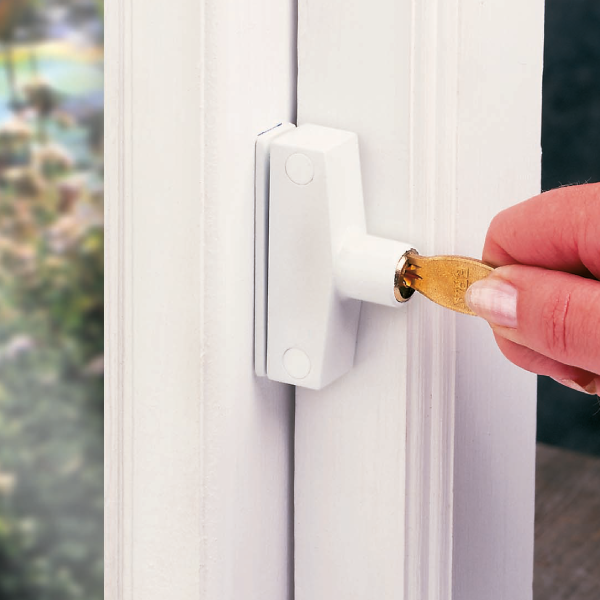
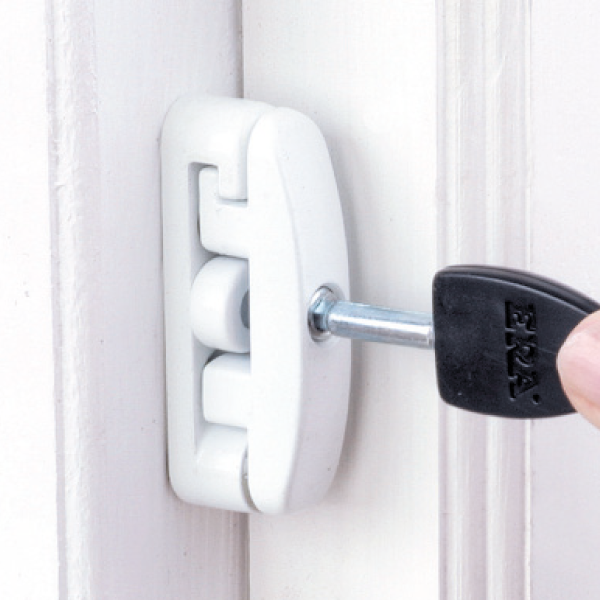
We supply a range of devices that can contribute to the safety and security of a property and its windows. Sash Jammers and Snaplocks are an ideal way to bolster the security of new or existing casement windows.
Available in locking or non-locking designs, they can be fixed securely to both reinforced and non-reinforced PVCu windows, adding convenient additional security. ERA’s bolts and locking catches are sturdy and key operated which offer a reliable and secure solution to window security. As with a number of our additional window security devices the screws can be placed into your existing installation for ease of application.
As well as yielding fantastic results in regard to window security, our additional security devices provide extra protection against outside elements. Swing locks pull the casement window tighter to the frame; battling drafts and increasing a home’s thermal efficiency. Browse our extensive range of additional window security devices.
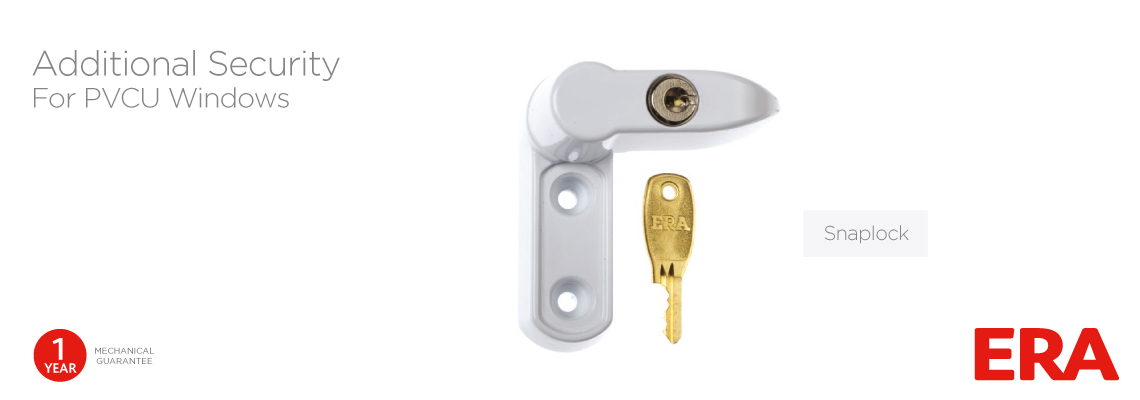
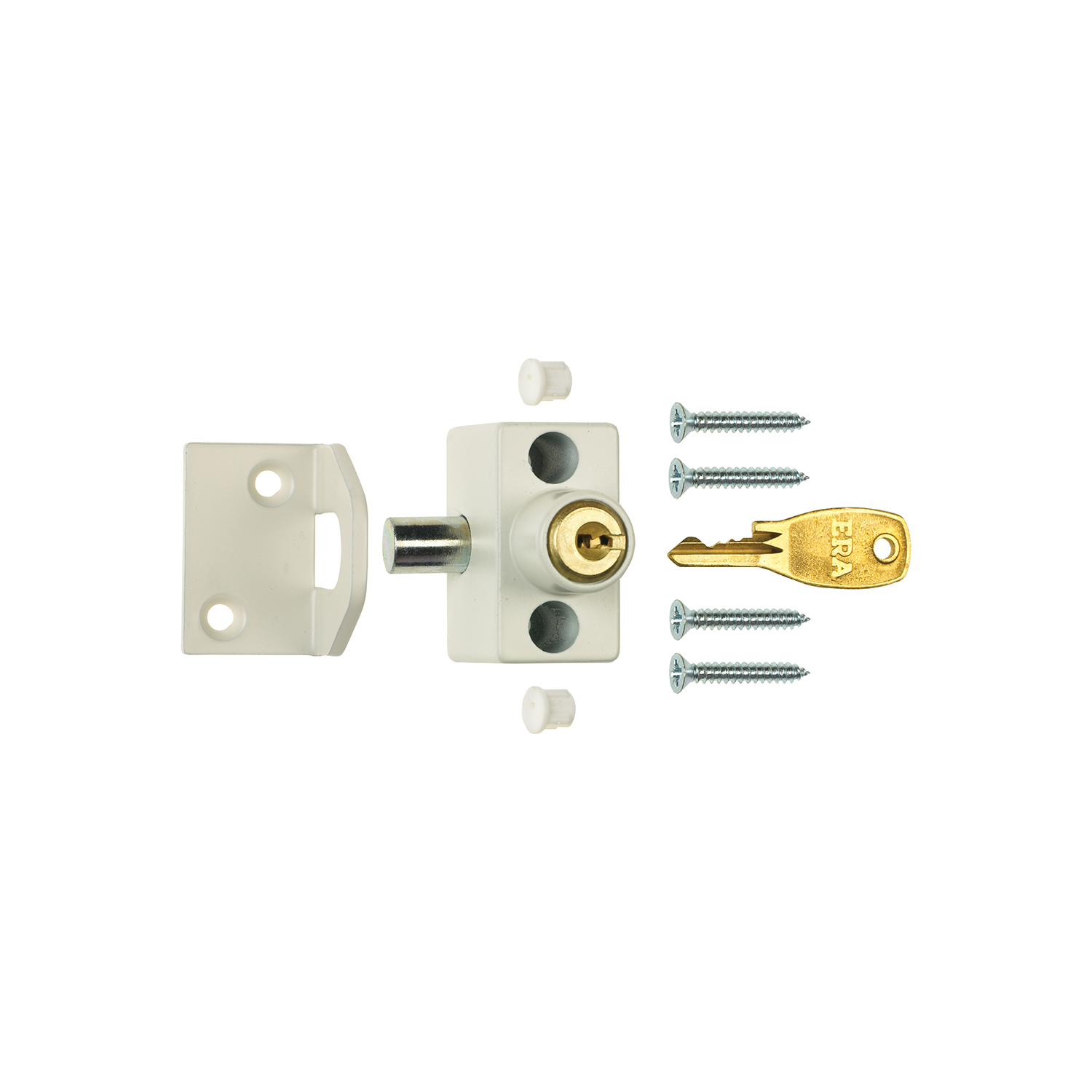
- Snaplock
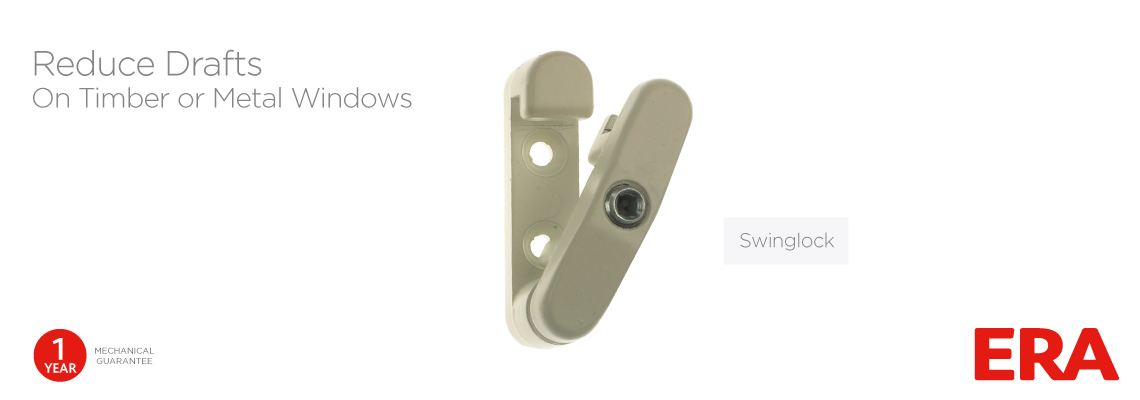
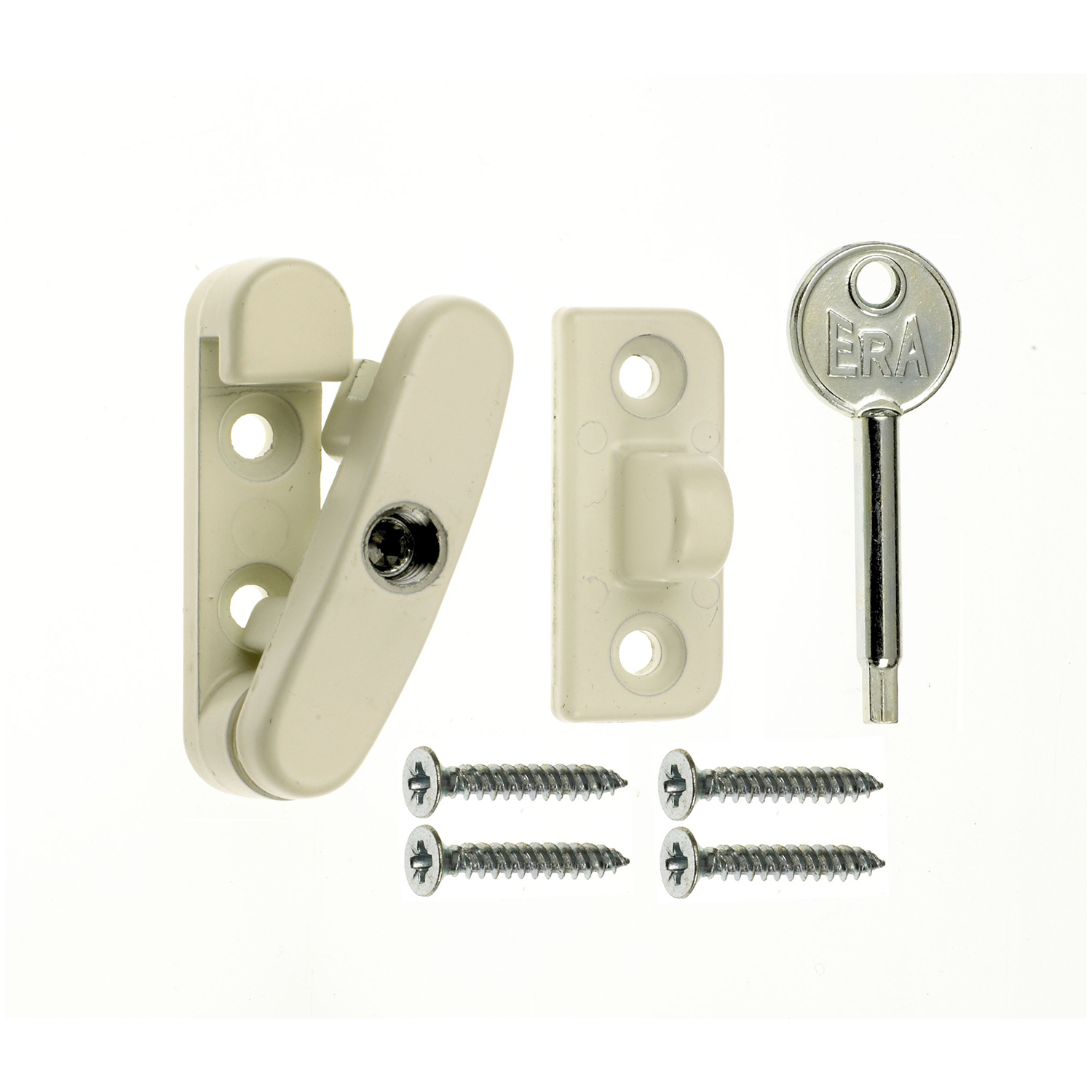
- Swinglock
Categories
The Range
A window's primary lock — whether a shootbolt, cam lock or espagnolette system — provides the baseline level of security for any casement window installation. But for many properties, clients and projects, that baseline is not enough.
Ground floor windows, easily accessible rear windows, rental properties, social housing schemes and properties in higher-crime areas all benefit from additional layers of security that make a window significantly harder to force open, even if the primary lock is overcome.
ERA's additional window security range provides exactly that — a set of well-engineered, straightforward-to-fit devices that add meaningful, measurable extra resistance to window forced entry without requiring any significant modification to the existing window frame or hardware.
Think of window security in layers, like the security on a phone.Your PIN is the first layer — useful, but not unbeatable on its own. Adding a fingerprint or face ID on top creates a second, independent barrier that an intruder has to overcome separately.
ERA's additional window security products work on the same principle — each device is an independent barrier that supplements the primary lock and requires a separate, deliberate effort to defeat.
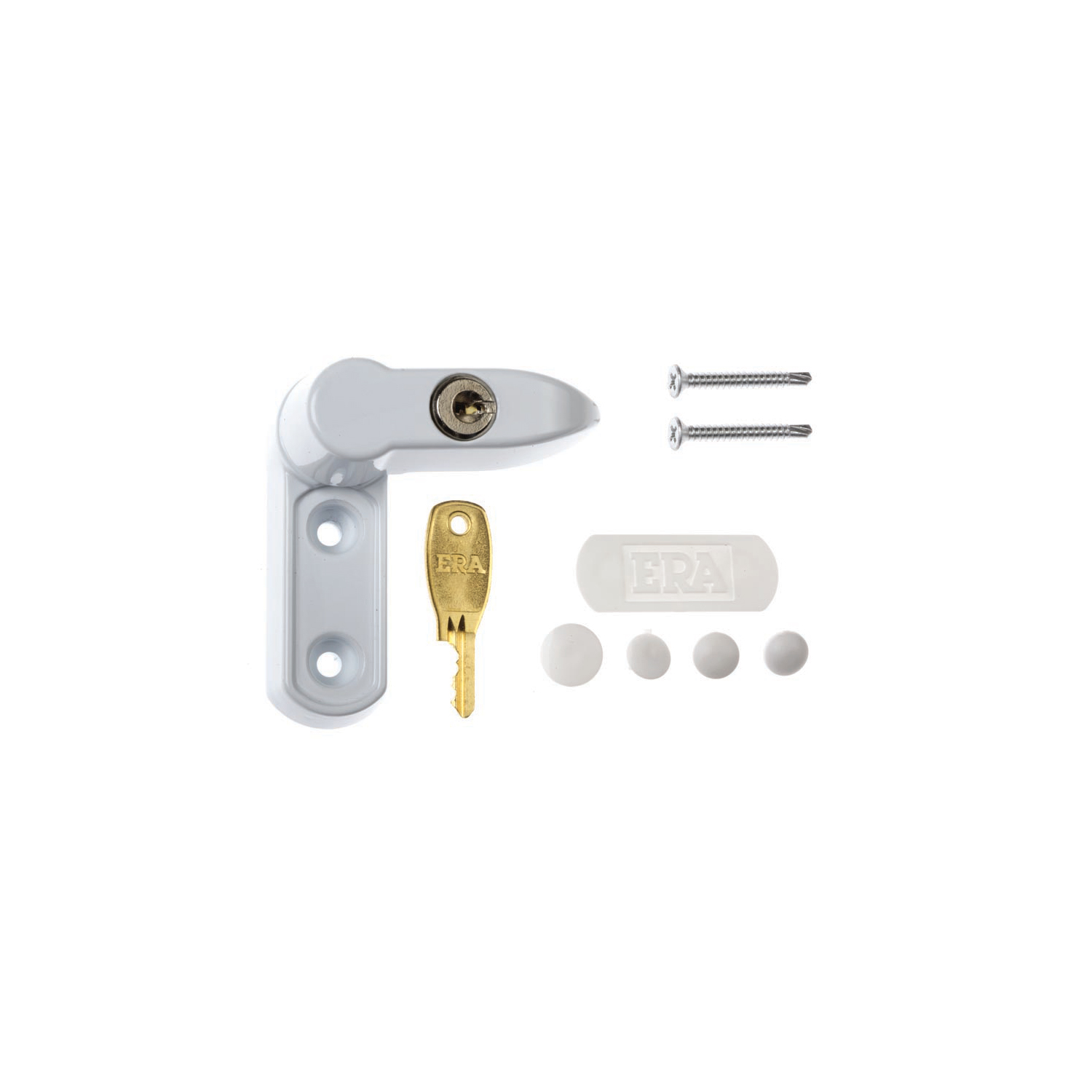
Sash jammers are one of the most practical and widely fitted additional security devices for PVCu casement windows.
Surface-mounted on the window frame or sash, a sash jammer physically prevents the window from being opened beyond a small gap even if the primary lock has been defeated — whether by a failed or worn locking mechanism or by a forced attack on the handle.
Lockable versions provide an additional key-operated element that prevents the jammer itself from being disengaged without the correct key, adding a further layer of security.
For installers fitting additional security to existing windows, sash jammers are among the easiest and most cost-effective upgrades available.
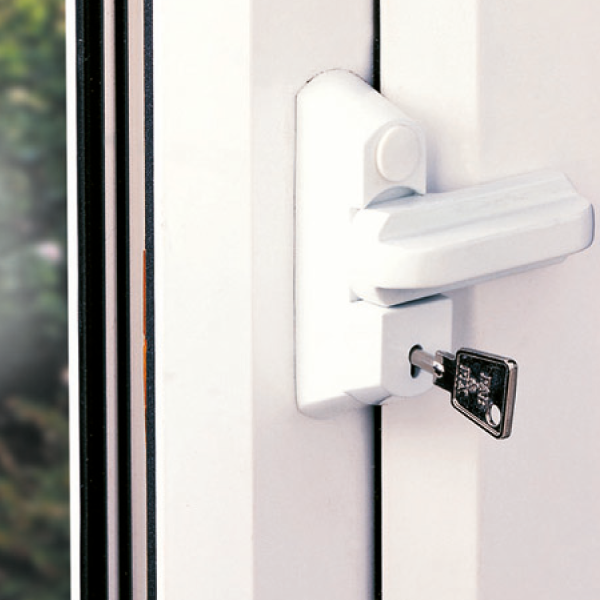
Snaplocks provide key-operated locking that supplements the primary handle and lock mechanism. Fitted directly to the PVCu window frame, a snaplock engages with the opposing frame element and can only be released with the correct key — providing a secondary, independently operated locking point that remains secure even if the primary handle lock is compromised.
Available in keyed versions for PVCu windows, snaplocks are a popular upgrade choice for ground floor windows and any opening that is considered a higher security priority.
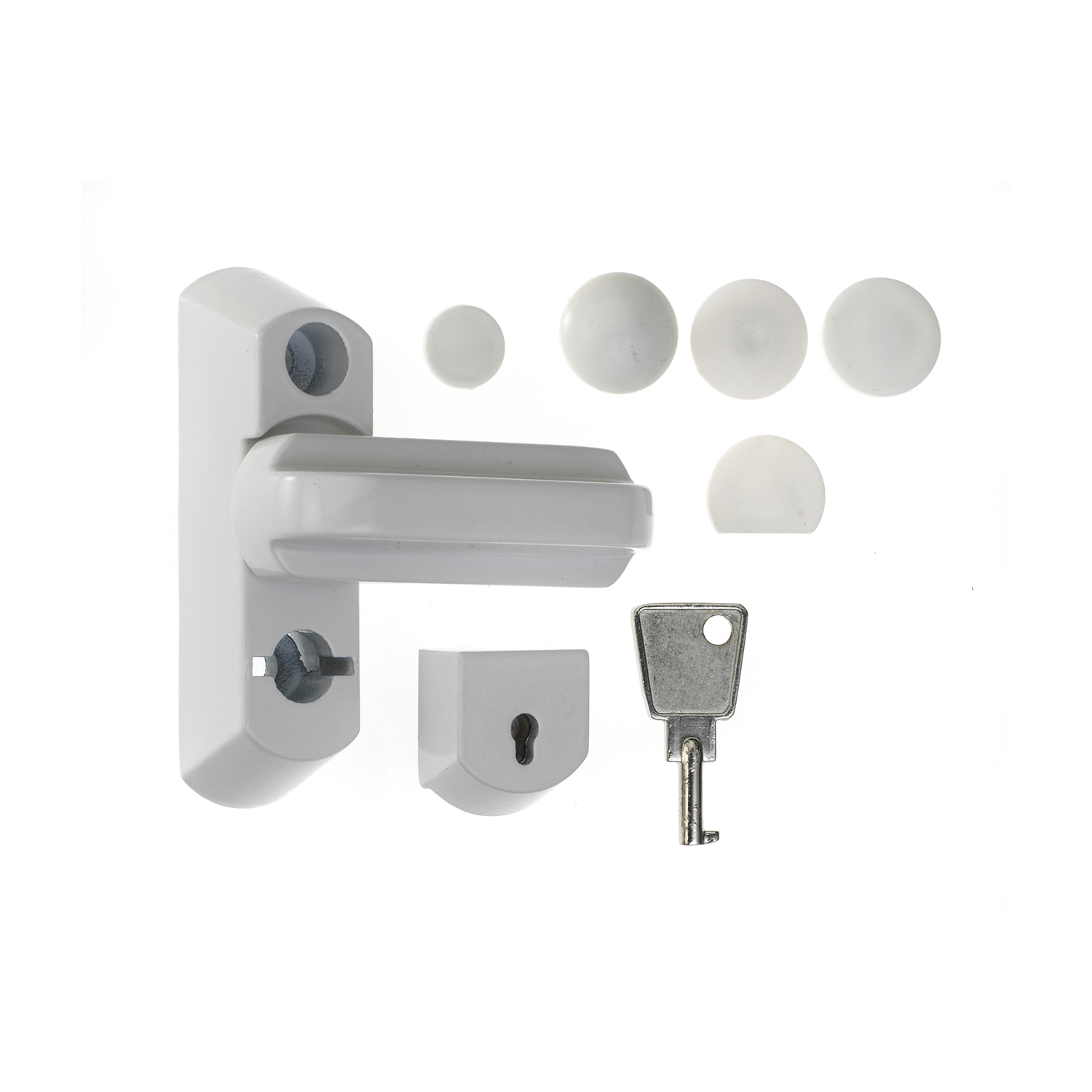
Swing locks serve a dual purpose that sets them apart from other additional security devices — they not only add a key-operated locking point to the window, but also actively pull the casement sash tighter against the frame when engaged.
This compression improves the weatherseal between the sash and frame, reducing draughts, improving thermal efficiency and reducing heat loss. For properties where energy performance is a consideration alongside security — which increasingly includes most residential and commercial projects — swing locks offer a tangible additional benefit beyond pure security value.
ERA's swinglock range includes options for both timber and PVCu windows.
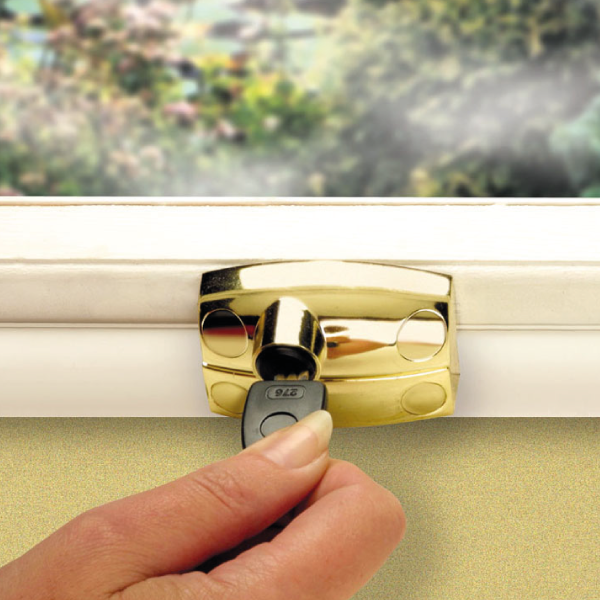
Locking catches provide key-operated additional security in a catch format, offering another route to independently locking a window at a second point on the frame.
Their key-operated design means they cannot be released without the correct key, and their sturdy construction ensures they provide reliable resistance to forced entry attempts.
Featured Products
Frequently Asked Questions
What additional window security products does ERA stock?
ERA's additional window security range for casement windows includes sash jammers and packers, snaplocks and keys, swing locks and locking catches.
All four product types are designed to supplement the primary window lock and handle mechanism, adding independent layers of security that increase the overall resistance of the window to forced entry.
Products are available for both PVCu and timber windows, in locking and non-locking versions where applicable, and are designed for straightforward fitting to both new and existing window installations.
What is a sash jammer and how does it improve window security?
A sash jammer is a surface-mounted security device fitted to the window frame or sash that physically blocks the window from being opened beyond a small gap, even if the primary lock is defeated.
It works by bridging the gap between the fixed frame and the moving sash with a hardened metal block that cannot be bypassed without removing or disengaging the device itself.
Lockable sash jammers include a key-operated mechanism that prevents the jammer from being disengaged without the correct key, adding an extra layer of protection.
For trade installers upgrading the security of existing windows, sash jammers are one of the most practical, cost-effective additional security solutions available — easy to fit with existing fixings, highly visible as a deterrent, and genuinely effective as a secondary barrier.
What is a snaplock and how is it used on PVCu windows?
A snaplock is a key-operated additional locking device that fits directly onto the PVCu window frame, providing a secondary, independently operated locking point that supplements the primary handle and lock mechanism.
When engaged, the snaplock holds the window shut and can only be released with the correct key — ensuring the window remains secure even if the primary lock is worn or compromised.
ERA's snaplocks are available in keyed versions for PVCu windows and are suitable for fitting to both reinforced and non-reinforced PVCu frames, making them a versatile security upgrade for a wide range of existing window installations.
What is a swing lock and does it have any benefit beyond security?
A swing lock is a key-operated window security device that provides an additional locking point on a casement window while simultaneously pulling the sash tighter against the window frame when engaged.
This dual action means a swing lock not only adds a secondary security layer but also actively compresses the weatherseal between sash and frame, reducing draughts, improving the window's weatherproofing and contributing to better thermal efficiency.
For clients concerned about both security and energy performance — which is an increasingly common combination in both residential renovations and commercial fit-outs — swing locks offer a practical product that addresses both needs in a single fitting. ERA's swinglock range is available for both timber and PVCu casement windows.
Are ERA's additional window security devices suitable for existing windows?
Yes. ERA's additional window security products are specifically designed to be retrofitted to existing window installations as well as being specified for new builds.
Sash jammers, snaplocks, swing locks and locking catches can all be fitted to existing PVCu and timber casement windows without requiring significant modification to the frame or sash — in many cases, fixing screws can be positioned to use existing holes in the frame, making installation particularly straightforward.
This makes ERA's additional security range an ideal solution for property managers, landlords, locksmiths and installers who are regularly called to upgrade the security of existing windows without replacing the full window unit.
What is the difference between a locking and non-locking sash jammer?
A non-locking sash jammer prevents the window from being pushed open from outside but can be disengaged from inside without a key — making it a useful security device when the property is occupied but leaving the window accessible to anyone who can reach inside through a broken pane or letterbox aperture.
A locking sash jammer adds a key-operated mechanism that prevents the jammer from being disengaged without the correct key, even from inside — providing security whether the property is occupied or unoccupied.
For properties where security when vacant is a priority — rental properties, commercial premises or second homes — a locking sash jammer is the more robust specification choice.
Why should trade installers recommend additional window security to clients?
Windows are one of the most frequently targeted points of entry for opportunist intruders, and the primary lock alone — however well specified — is a single barrier that can be defeated by a determined or experienced attacker.
Adding even one additional security device creates a second, independent barrier that significantly increases the time and effort required to force entry, which in turn increases the risk of detection for the intruder.
Many insurers also recognise the value of additional window security, and some policies may require or recommend supplementary window locks for ground floor or easily accessible windows.
For trade installers, recommending ERA's additional window security range is a straightforward way to add genuine value to any casement window installation or upgrade, improving the security outcome for the client at minimal additional cost.
